
Insights
Writing on law, business, and the space between.
Timely, practical analysis of legal developments affecting California businesses and individuals. Plain-English insights on litigation, personal injury, property damage, startups, intellectual property, and emerging technology.
Nothing on this website constitutes legal advice. The information provided is for general informational purposes only and does not create an attorney-client relationship. You should not act or refrain from acting based on information on this website without consulting qualified legal counsel.
A published Ninth Circuit decision held that Section 230 barred a conversion claim over removed Facebook pages, even when reframed in contractual terms—while leaving room for duties genuinely independent of publishing.

Payment alone generally does not transfer a developer’s copyright in custom software. Ownership, license scope, and source-code access are separate questions—and each can be addressed in the development contract.
The October 29 preliminary-injunction affirmance addresses employer speech under SB 399—not permanent invalidation or blanket permission for workplace conduct.

Recovery may be possible when inaccurate freight-weight information causes trailer damage, but the claim depends on the agreement, applicable duties, reasonable reliance, and proof of the loss.

Shi permits a homeowner’s claim over allegedly unlawful ADU permitting delays to proceed—not a damages award or a finding that the city is liable.
Owning the rental vehicle does not automatically make a rental company liable for the renter’s negligence. Federal law limits ownership-based liability, but not claims based on the company’s own conduct.

Federal and state enforcers allege that Toast imposed hidden fees and made cancellation difficult. Toast disputes the claims. Here is what the pending case does—and does not—mean for California businesses reviewing their own software contracts.
Owning or managing an LLC does not make someone personally liable for its debts. A valid personal guaranty can, depending on its terms and the guarantor’s defenses.

A warehouse or loading contractor may be responsible for negligent forklift operations. Liability and repair or downtime losses require separate proof.

A commercial tenant’s breach does not automatically let the landlord keep the entire deposit. Civil Code section 1950.7, the lease, and permissible deductions control.
Government enforcement and private property-damage recovery serve different purposes. A new state lawsuit does not automatically establish an individual owner’s right to compensation.
A corporate judgment does not automatically become an owner’s personal obligation. A published California decision explains why FEHA does not change the ordinary alter-ego standard.

An evacuation can interrupt business without damaging its premises. Negligence, public-entity claims, insurance and reimbursement each require separate analysis.
A parent’s absence from an accident does not necessarily end the liability inquiry. Vehicle classification, permission, the minor’s conduct, and the adult’s own conduct can matter.
A school sports injury does not automatically establish liability. Assumption of risk depends on the activity, the defendant’s role, and the conduct that caused the injury.

Loading a trailer does not by itself establish liability. Responsibility turns on duty, conduct, causation, the carrier's role, and the governing agreements and law.
An injured person's death does not necessarily end the claim, but it can change the recoverable damages. The claim type, filing history, and statutory exceptions matter.
A commercial tenant’s default can lead to liability beyond overdue rent—but future-rent damages require a contractual and statutory basis, reliable evidence, and mitigation analysis.

A breach may support damages without permitting termination. The agreement, materiality, dependent obligations, and required notice determine the next step.

Property damage and equipment downtime can interrupt a business. Recovering lost profits requires a viable claim, causation, and reliable proof—not simply missed sales.
Delaware’s Cloudflare ruling highlights why a disinterested board committee must also act in good faith when approving a founder-control transaction.
A Ninth Circuit ruling examines website exposure in Tesla’s FSD litigation. Learn why class certification differs from a decision on liability.

Insurance considerations after Orange County’s Norte Fire: evacuation expenses, smoke damage, business interruption, and documenting property losses.

A reported derivative lawsuit raises board-oversight questions. Allegations and company investigative conclusions are not judicial findings.

California examines wildfire insurance disbursements. Learn about lender-held rebuilding funds and interest protections for qualifying loss-draft accounts.
A reported $9.4 million Ashtel fraud verdict illustrates the distinction between commercial nonpayment and personal liability for misrepresentation.
A reported settlement in the Drakeo the Ruler litigation highlights California negligent-security duties and the distinction between settlement and liability.

A California appeals court upheld the rescission of a contractor’s insurance after a Los Alamitos fire, illustrating why a party relying on a contractor’s coverage may still be left without it.

The Adelaida winery dispute highlights why related-party transactions, corporate governance, and ownership agreements matter for business continuity.

Apple’s discovery ruling illustrates how federal courts approach early evidence requests, confidentiality, and preservation in trade-secret litigation.
Qualcomm’s mixed verdict against Arm illustrates the distinction between liability, nominal damages, and the broader economic stakes of commercial litigation.

A contractor who damages property may be responsible under contract, negligence, or another theory. Recovery depends on duties, causation, provable losses, and procedural requirements.

Character.AI’s proposed Disney transaction highlights the differences between licensing intellectual property, selling assets, and preserving a business.

The proposed GKN agreement includes a claims program of up to $100 million. Business-loss limits, conditional dates, and release terms deserve careful review.
A franchisor's announced lawsuit raises a recurring question: can a franchisee rebrand and compete? The answer depends on contracts, confidential information, and California competition law.
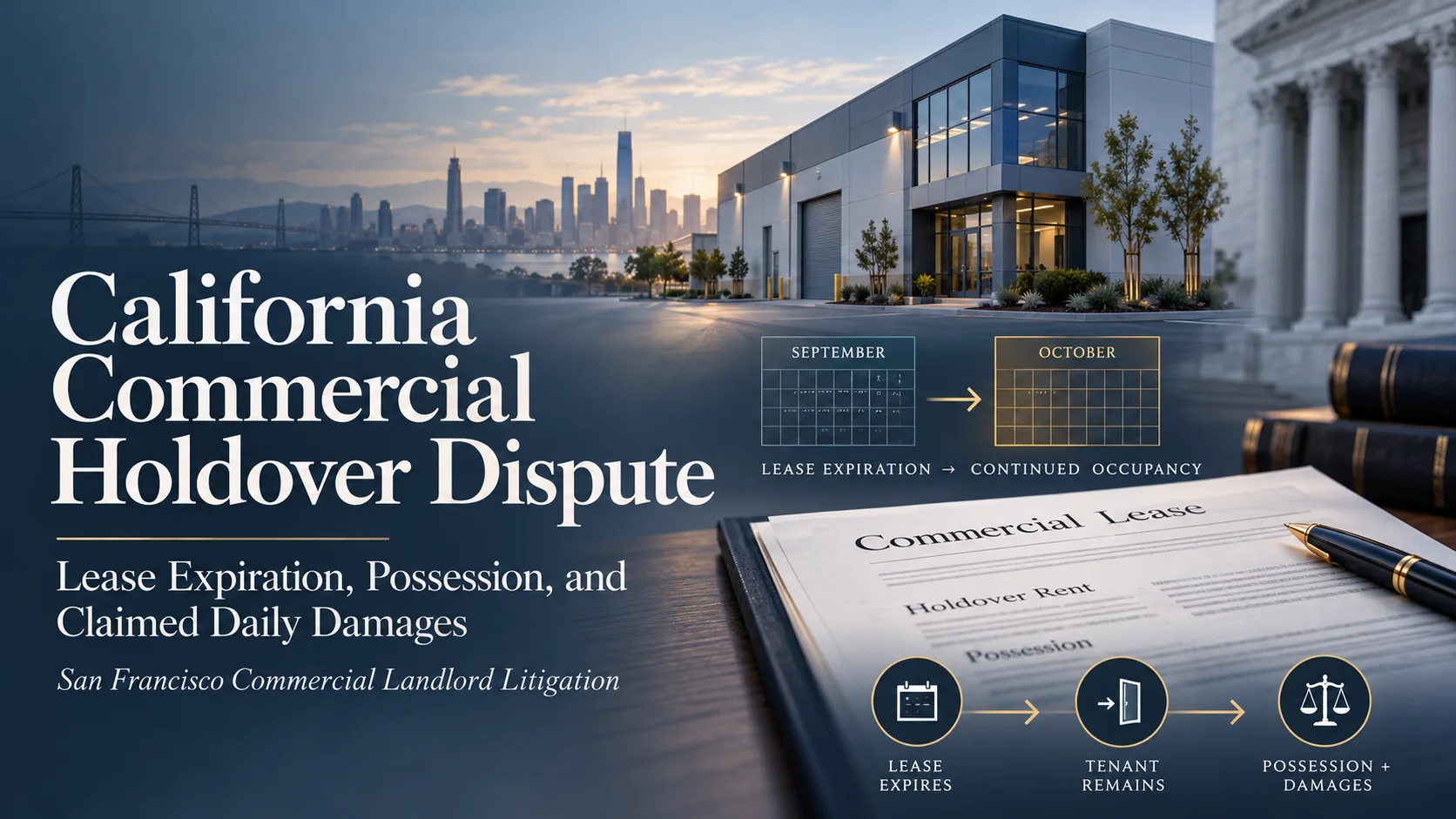
A San Francisco landlord alleges an AI startup held over after its lease expired and seeks possession plus more than $13,000 a day. The cited reporting describes the landlord’s allegations and requested relief; this article does not establish the case’s current disposition.

Netlist and Micron entered patent license and settlement agreements calling for $600 million in quarterly payments through 2031—a negotiated license, not a court award.
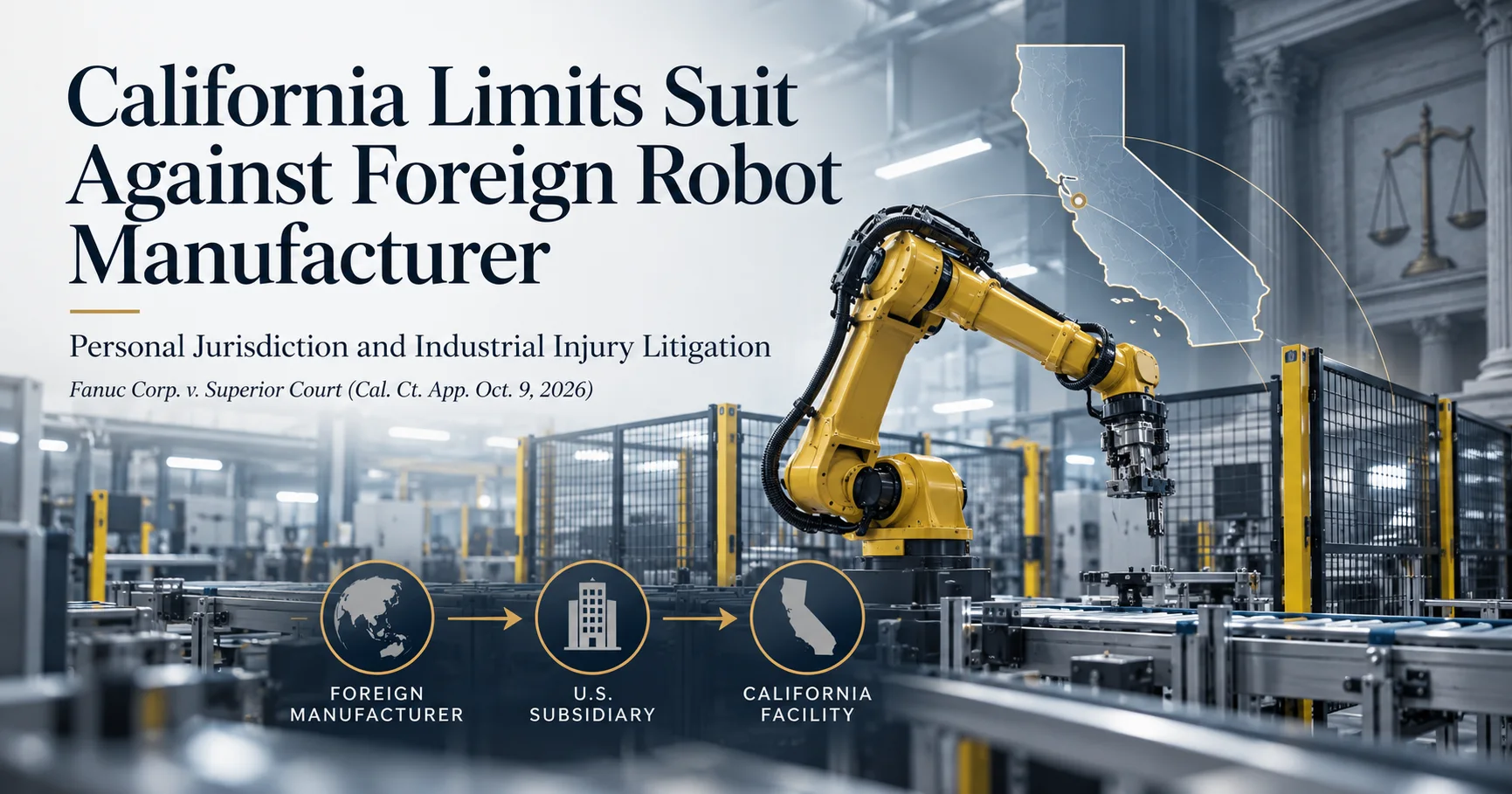
In Fanuc Corp. v. Superior Court, the Court of Appeal held that personal jurisdiction over a Japanese robot manufacturer was not established on the record presented. The ruling did not address the merits.
The Fifth District affirmed a new-trial order after jurors discussed the defendant's finances, insurance, and other matters outside the evidence.

Insurance reimbursement, disaster reassessment, and property-tax payment deferral are separate processes with different requirements. Flooding or an insurance denial does not, by itself, establish eligibility for any of them.

San Diego County's civil enforcement suit against AppLovin raises questions about advertising metrics, billable interactions, and disputed charges. The allegations are unproven.
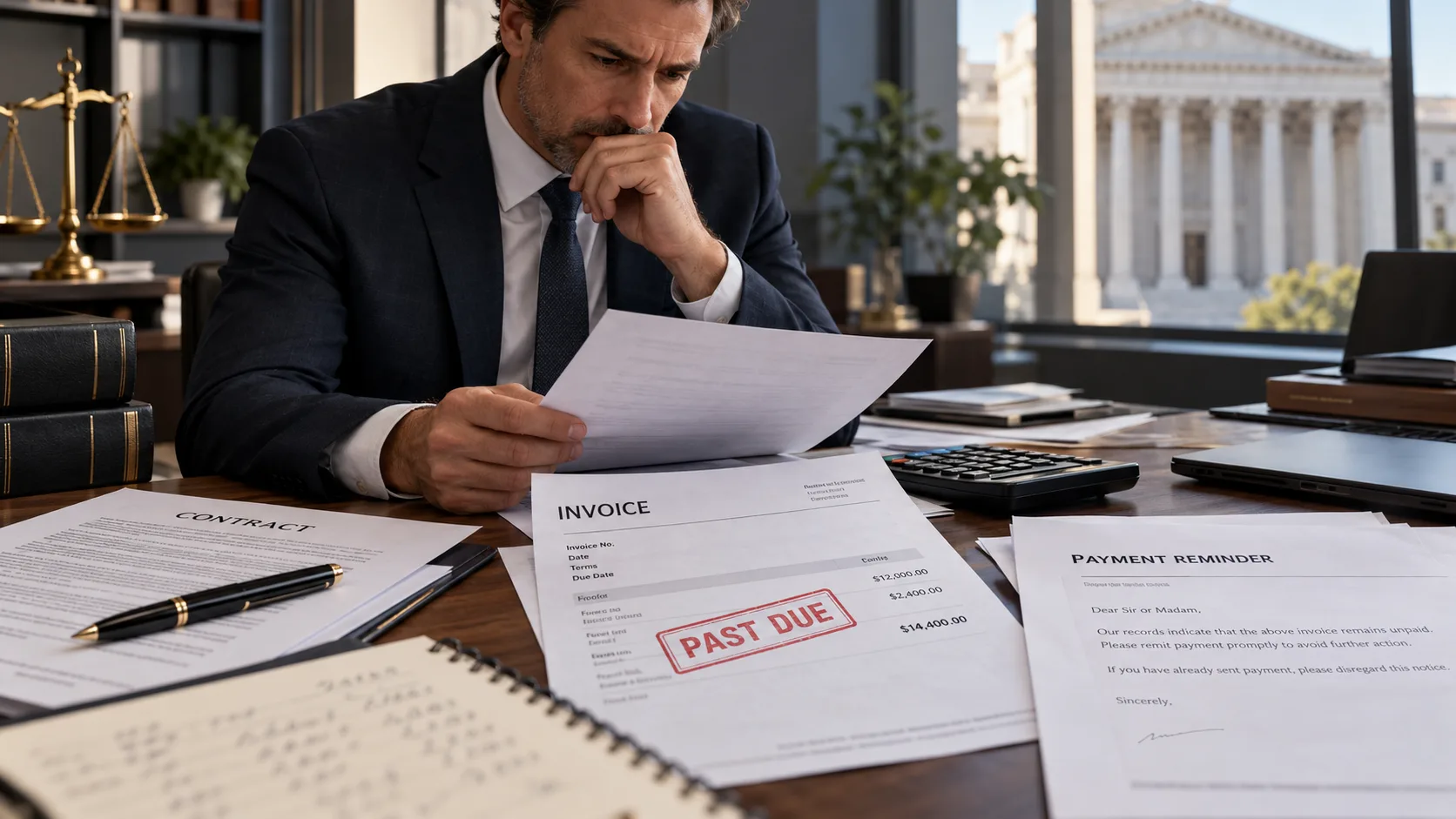
What an unpaid invoice proves, which California claims may apply, deadlines, interest and fees, and why collectibility matters.
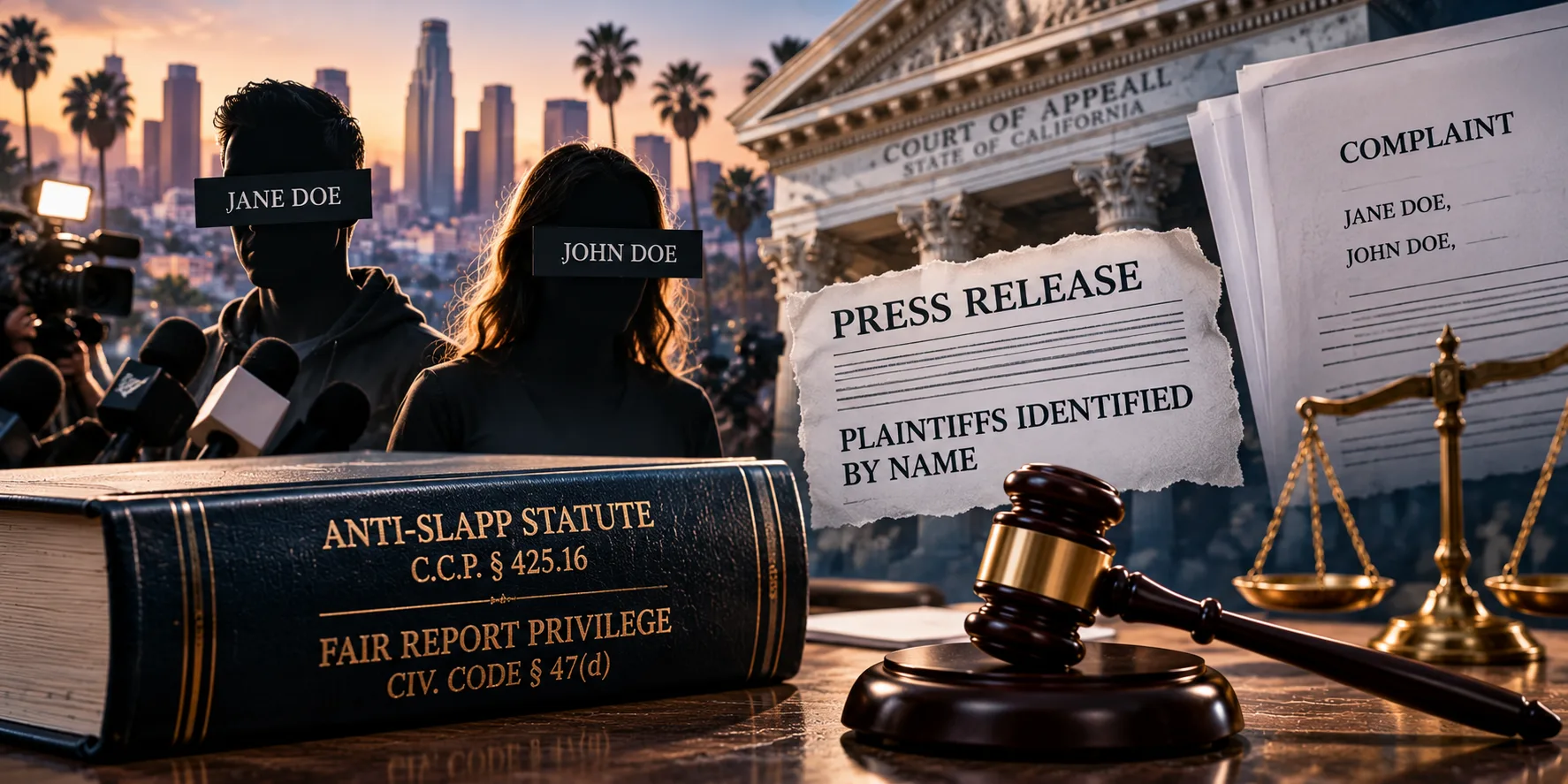
A published California appellate decision explains why filing a lawsuit under a pseudonym does not automatically guarantee anonymity and how anti-SLAPP and the fair report privilege can protect litigation-related public statements.

Former Groq engineers are challenging its reported $20 billion licensing-and-employee-transfer transaction with Nvidia, raising questions about shareholder voting, technology licensing, asset sales, and fiduciary duties.
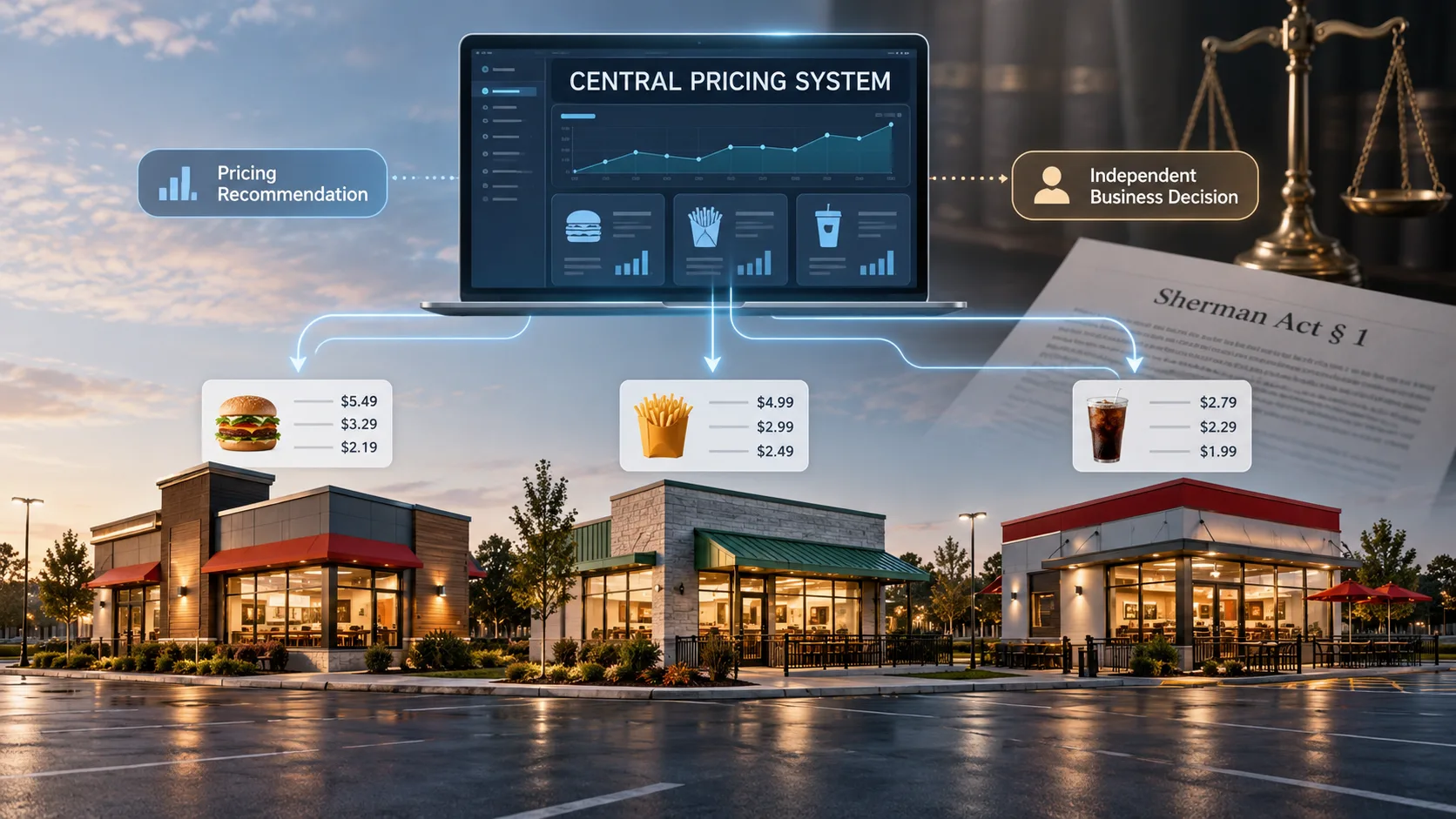
A new federal lawsuit alleges McDonald’s used centralized pricing technology to coordinate menu prices among franchise restaurants. The case raises questions about franchisee independence, shared data, and Sherman Act liability.
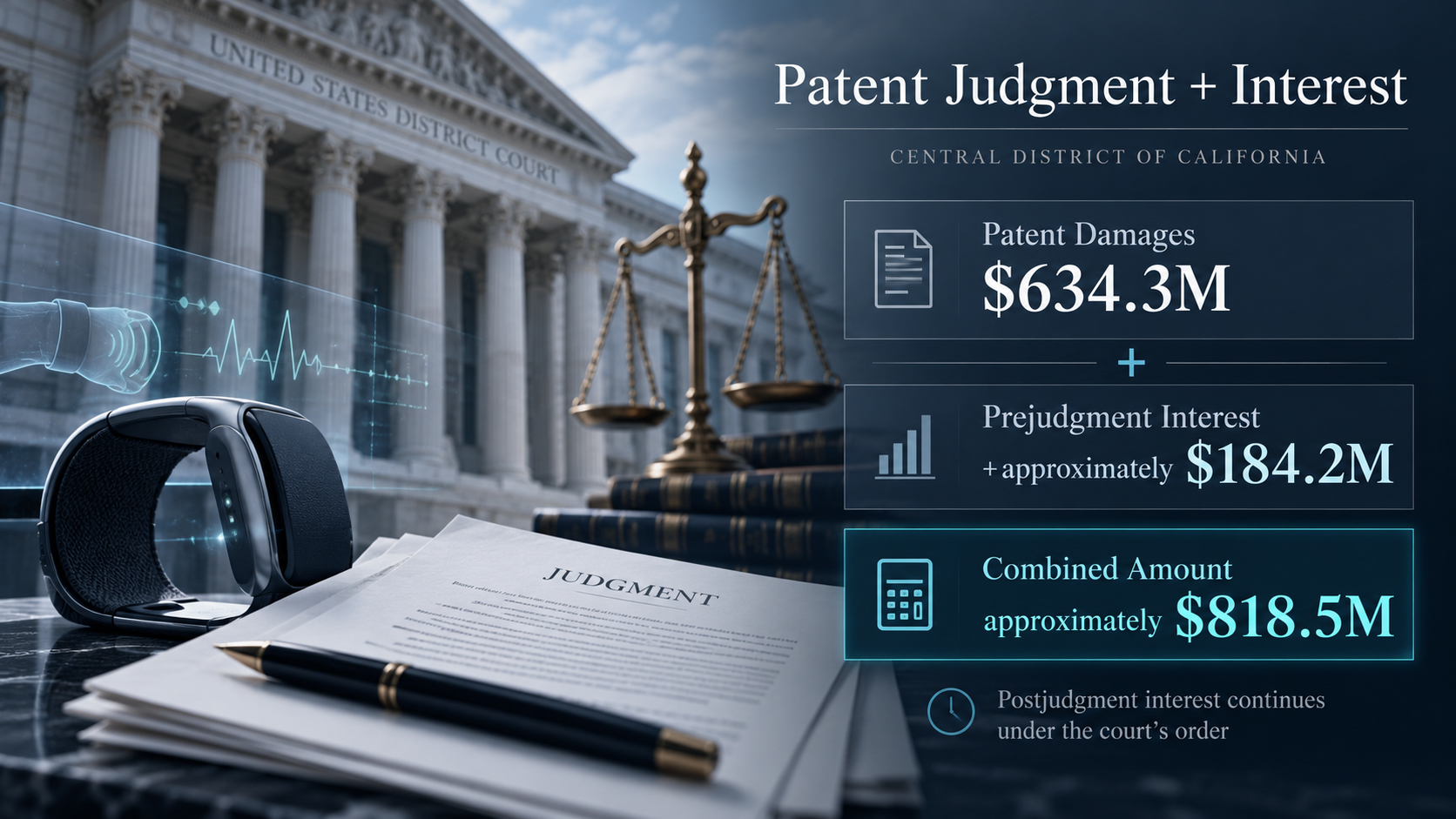
A federal judge added about $184.2 million in prejudgment interest to Masimo’s $634.3 million patent judgment against Apple. Here is why interest can materially increase litigation exposure.
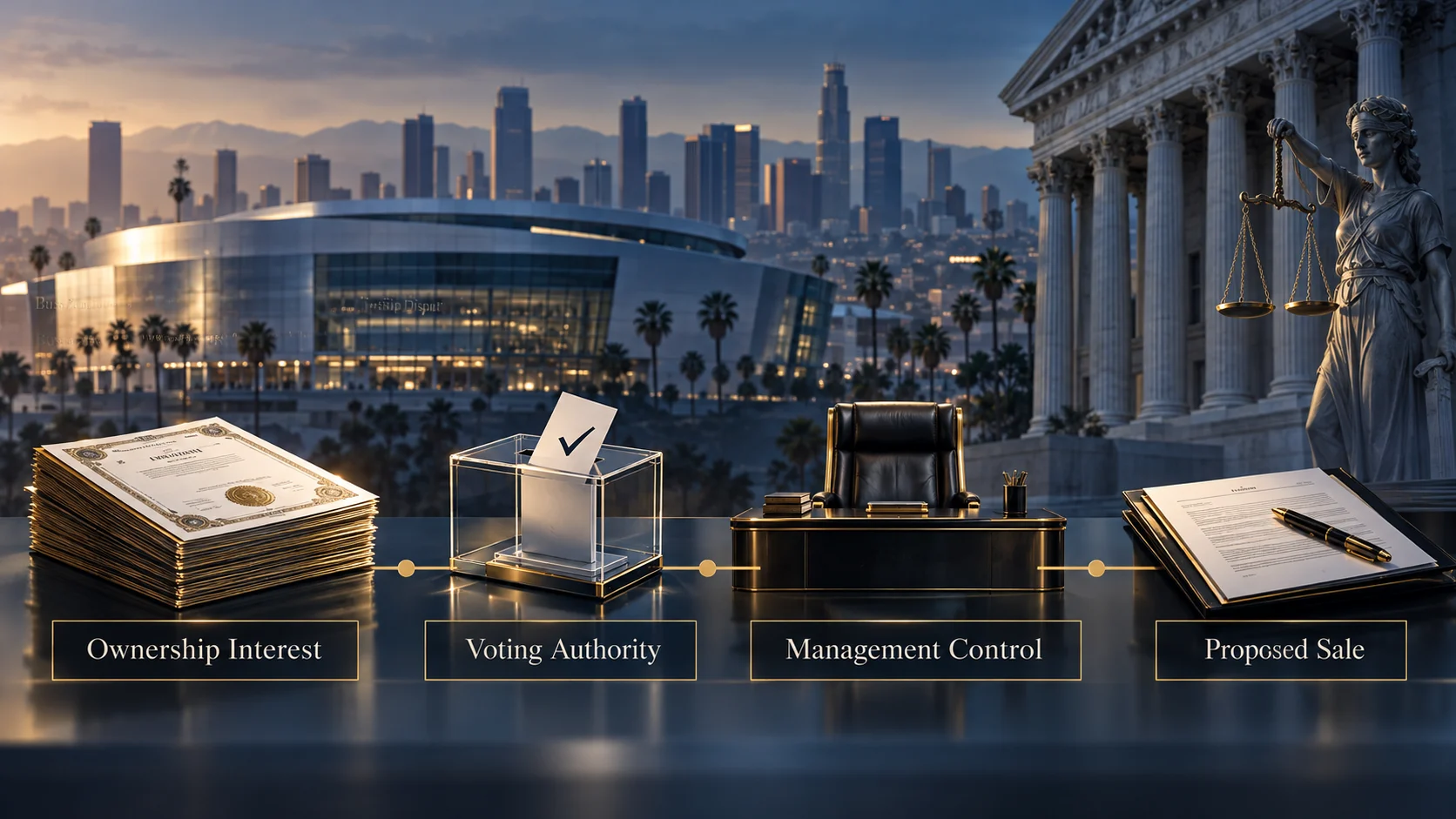
Five Buss siblings are challenging Jeanie Buss over a proposed sale of the family’s remaining Lakers stake. The dispute highlights the difference between ownership, voting rights, management control, and transfer restrictions.
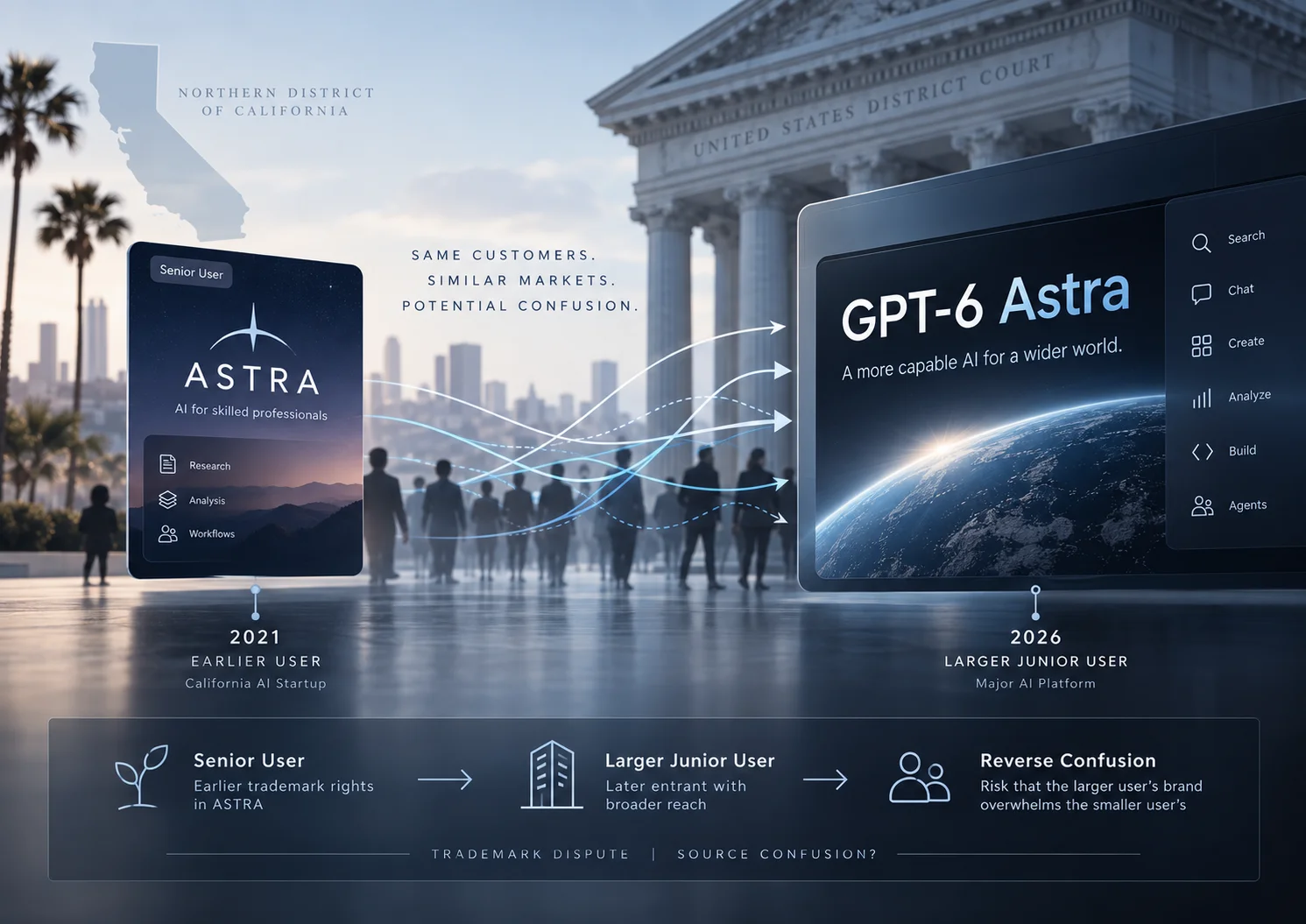
A California AI company says OpenAI's GPT-6 Astra creates reverse trademark confusion. Learn what that theory means and why startup trademark clearance matters.
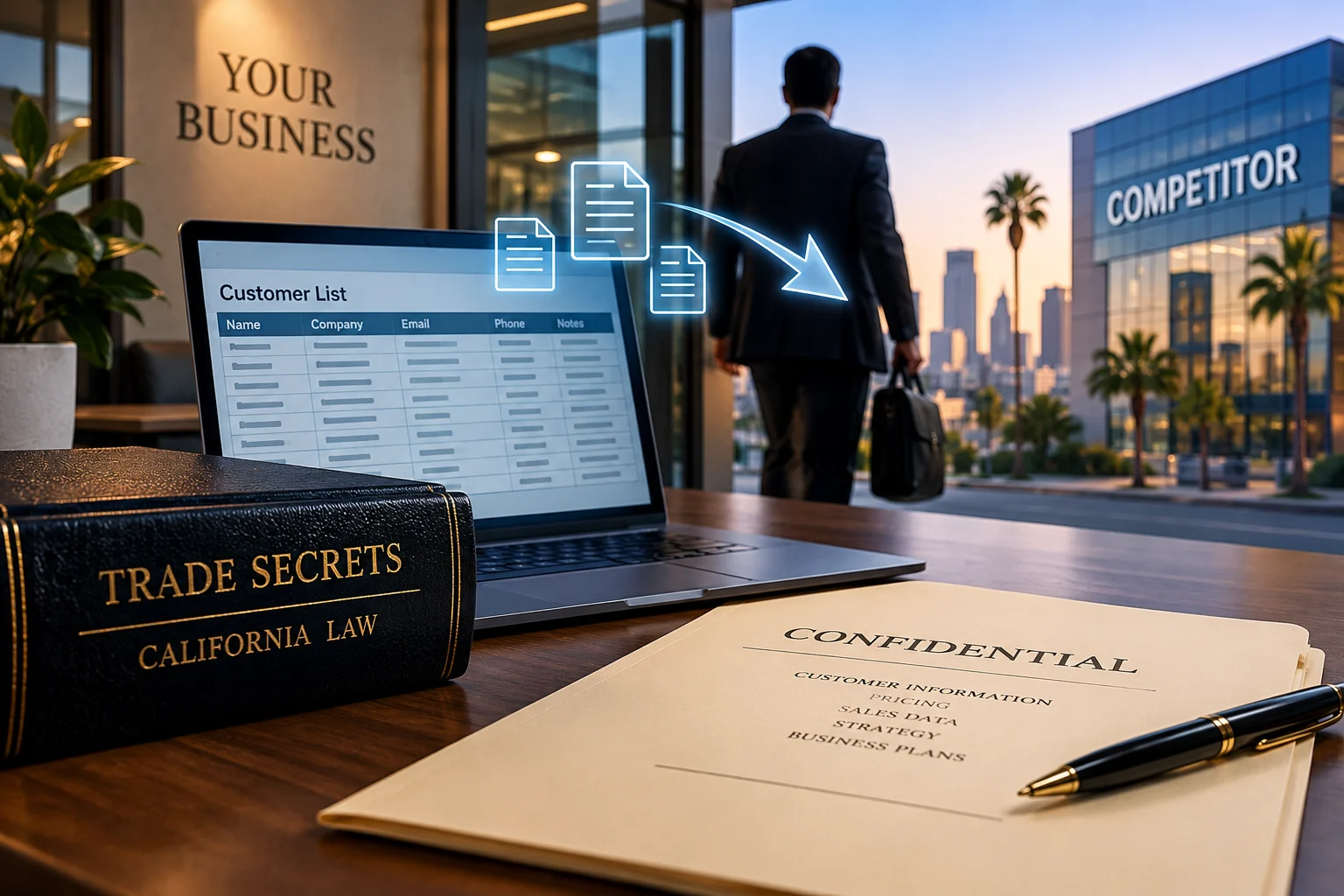
A former employee may compete with you in California, but cannot misappropriate protected trade secrets. Learn when customer information may qualify and what remedies exist.

A repaired vehicle may still be worth less after a crash. Learn when California law may allow recovery for diminished value and how these claims are proven.

Injured after slipping at a California store? Learn what premises-liability law requires, how notice is proven, and what evidence to preserve.

A federal jury returned a nearly $117 million verdict against Joby Aero, Inc., a wholly owned subsidiary of Joby Aviation, Inc., in an NDA and trade-secret case. Learn what the dispute shows about protecting technical IP.
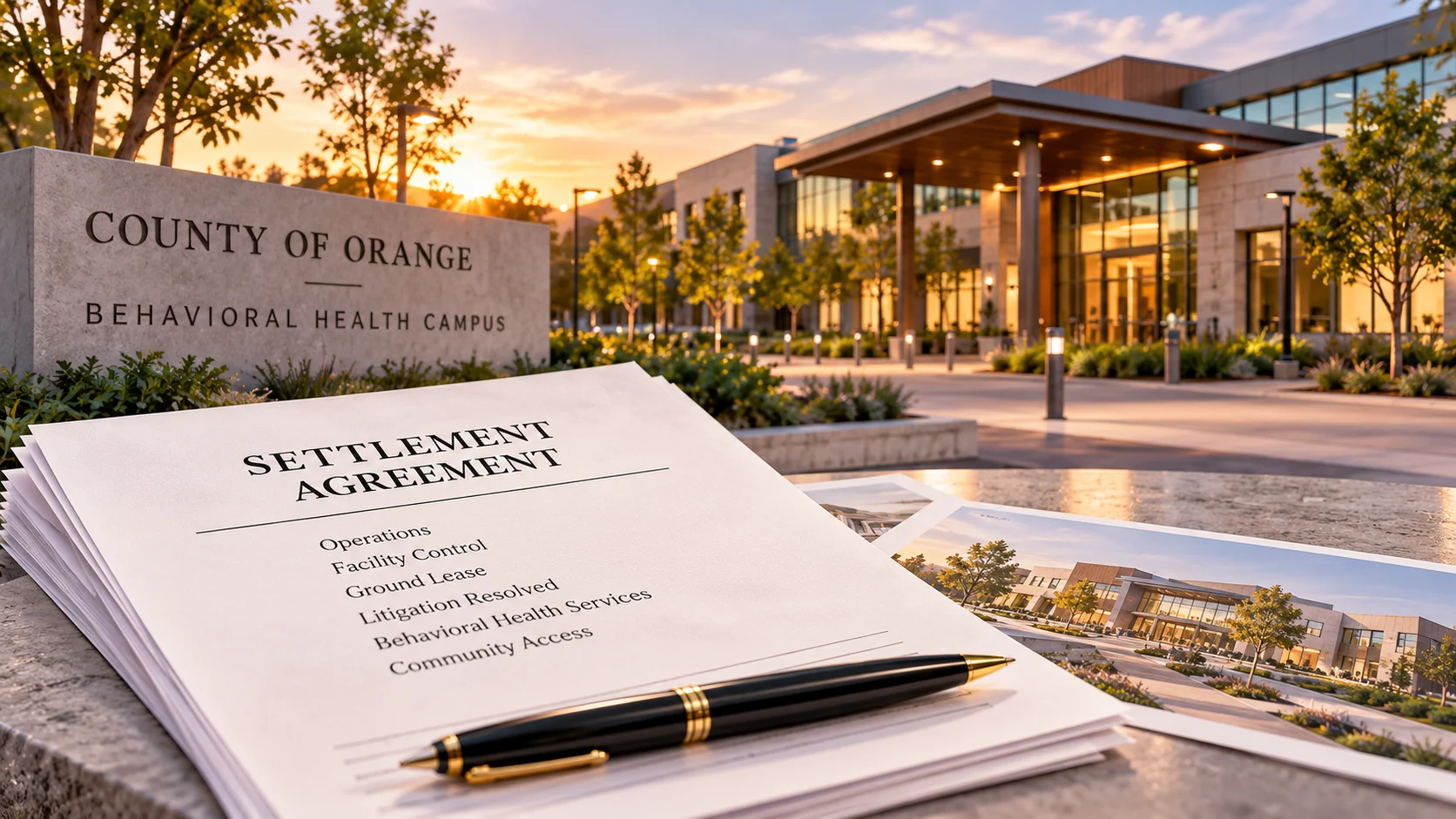
Orange County and Mind OC resolved litigation over the Be Well OC campuses, transferring facility control to the County while Mind OC retains the brand. Here are the business-law lessons.
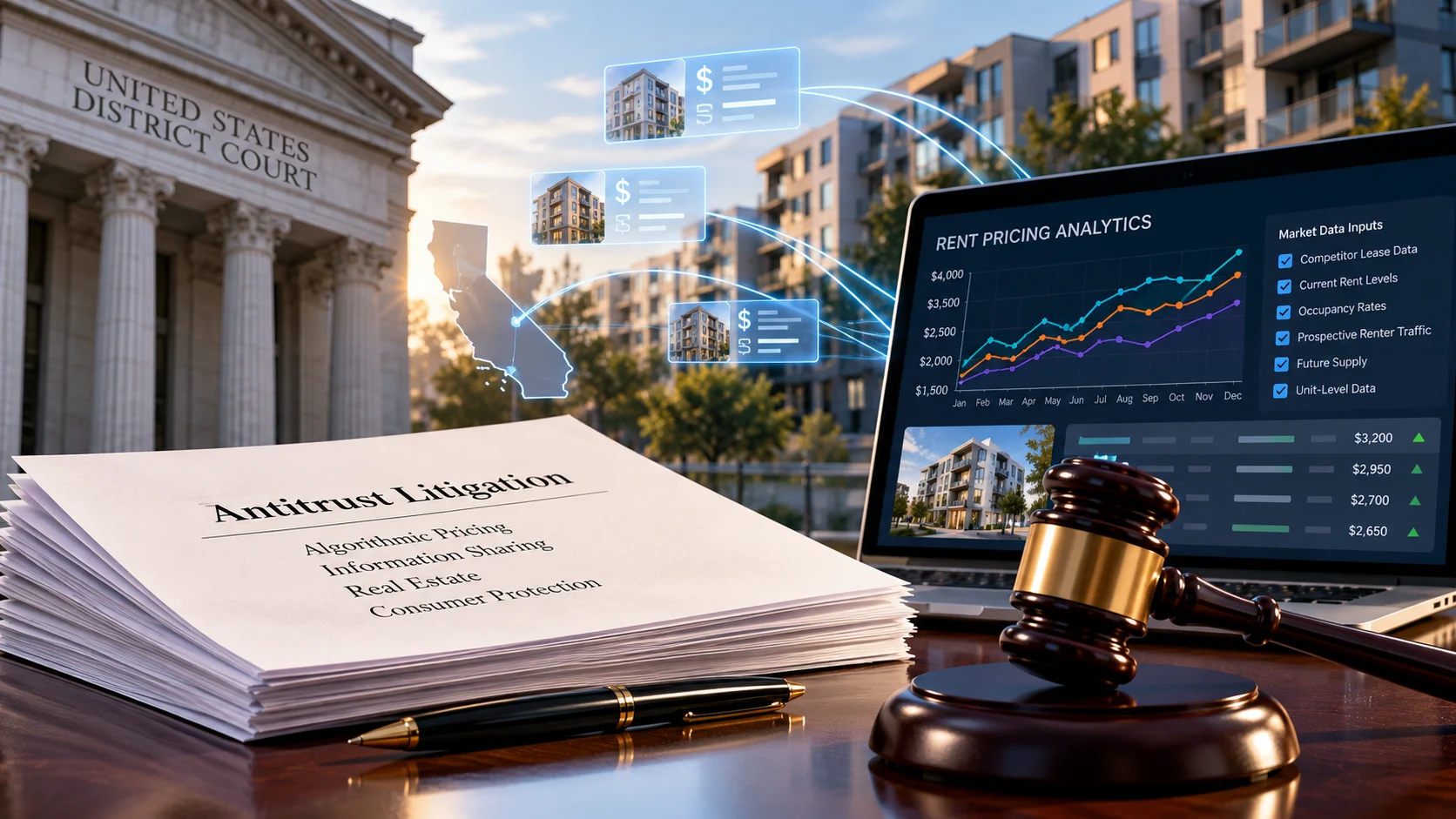
A federal court allowed California and other states’ RealPage antitrust claims to proceed. Learn why shared nonpublic rental data—not pricing software alone—is central to the case.
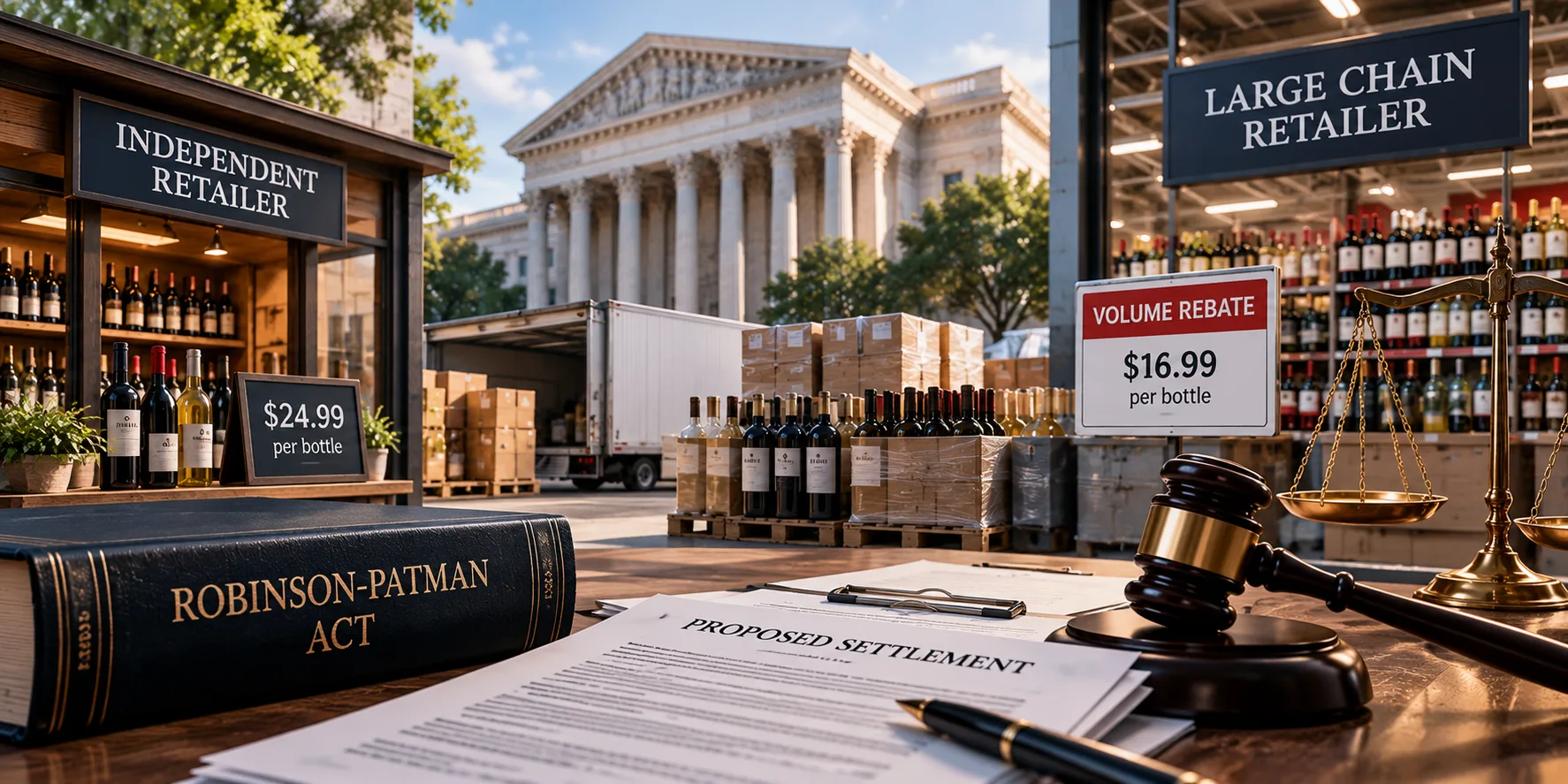
The FTC reached a proposed settlement with Southern Glazer’s over alleged price discrimination between large chains and independent retailers. Here is what California businesses should know.
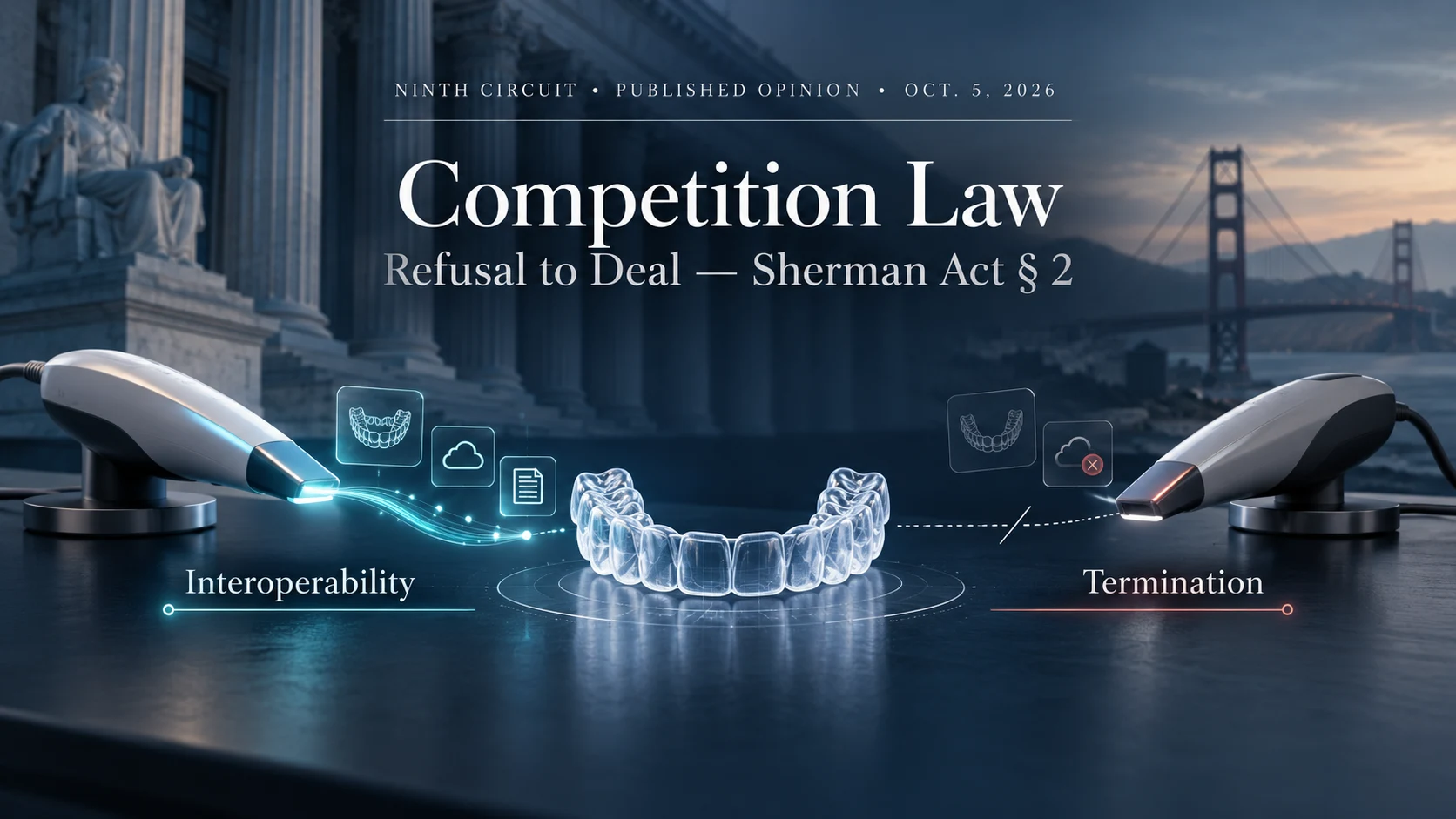
The Ninth Circuit revived antitrust claims against Align Technology over terminated Invisalign interoperability, clarifying when refusal-to-deal claims may proceed under Sherman Act § 2.

The Third Circuit held that ROSS Intelligence's use of Westlaw headnotes to train a competing AI legal-research system was not fair use—but expressly distinguished generative AI.
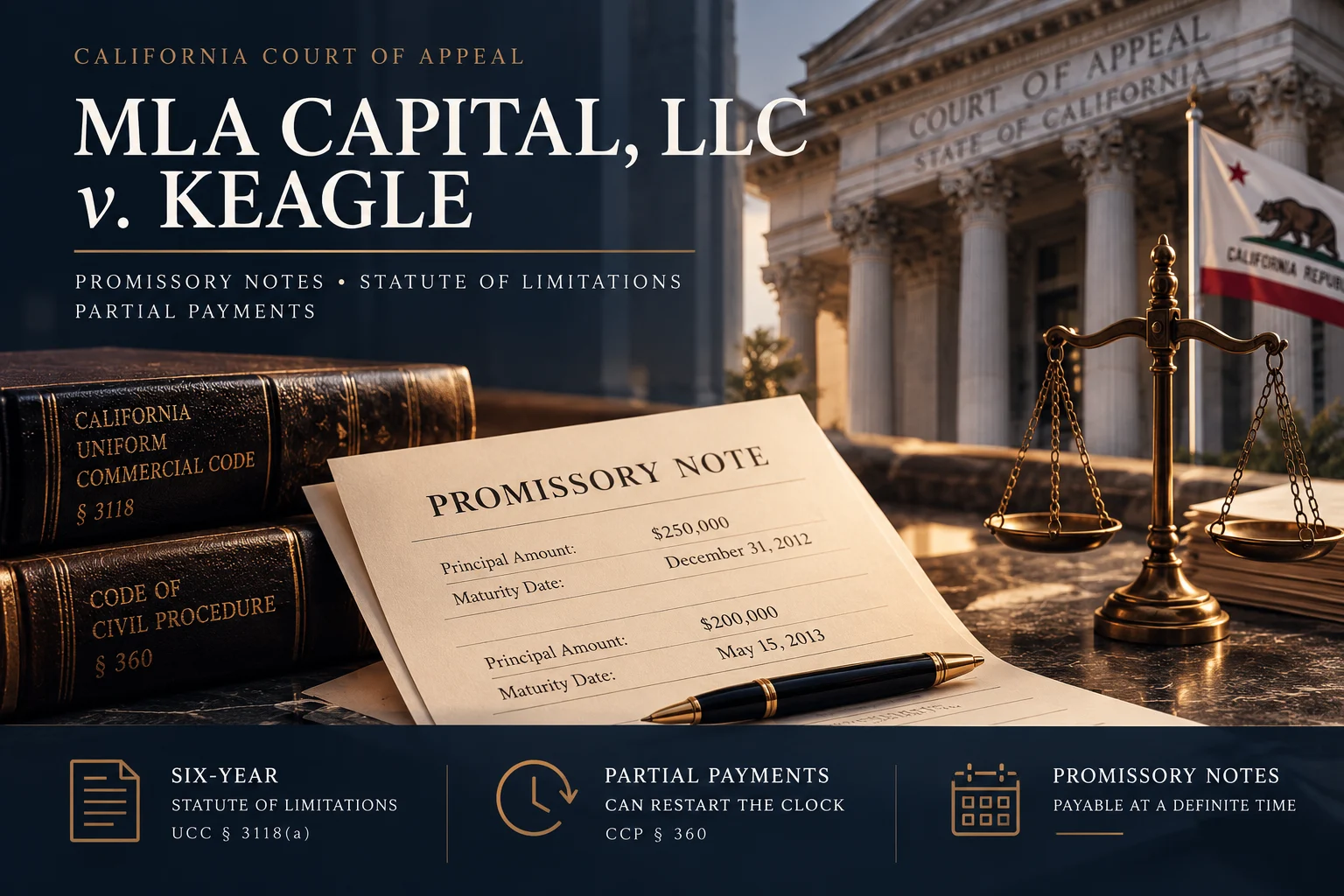
A 2026 California appellate decision holds that certain promissory notes payable at a definite time carry a six-year limitations period and explains when partial payments may restart the clock.

A federal court’s Joby-Archer ruling highlights what California businesses can protect when employees leave for competitors, including trade secrets, company files, and return-of-property obligations.
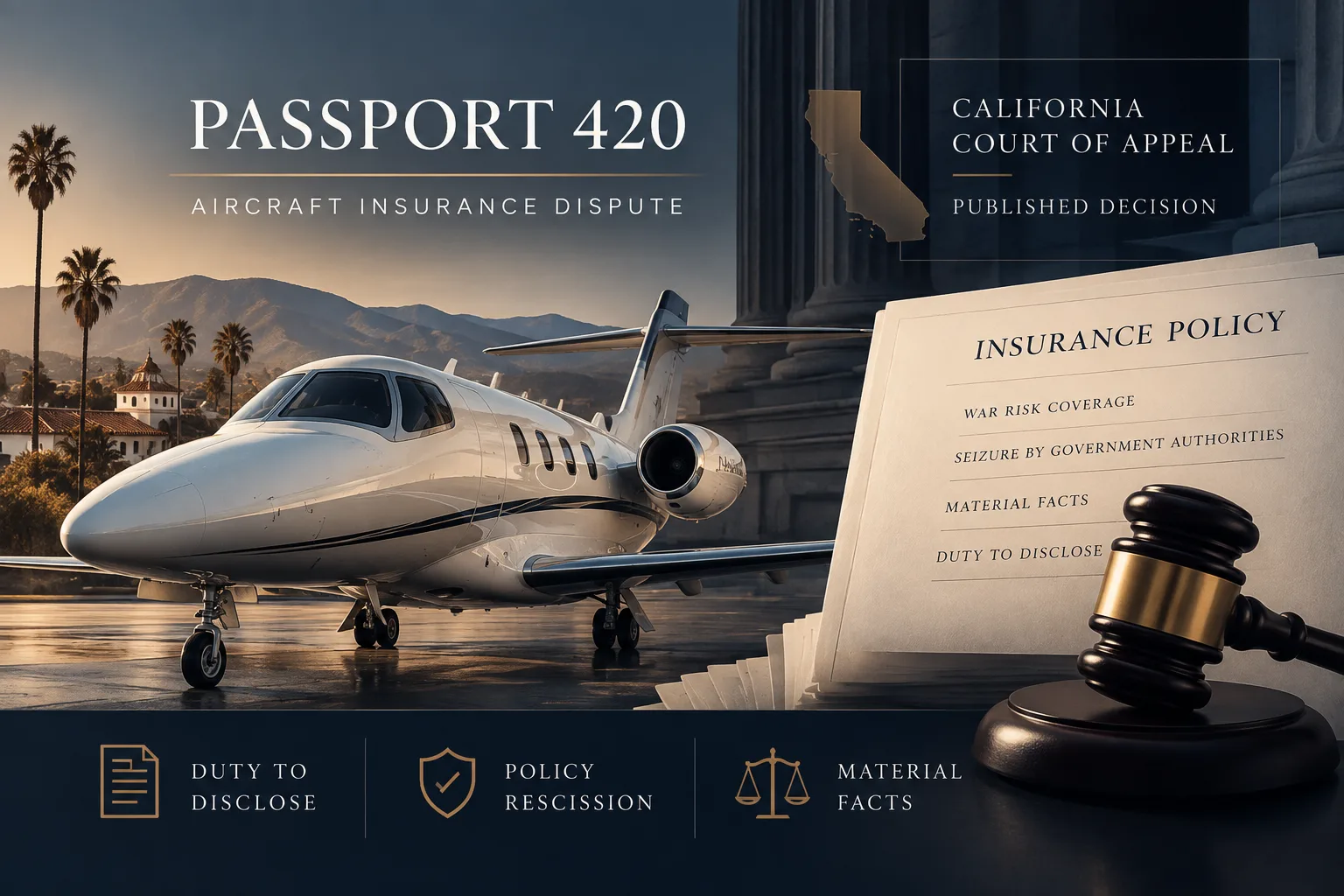
An insurance applicant’s disclosure obligations under California law may extend beyond the questions printed on the application when the applicant knows of a material fact affecting the risk and the insurer does not have the means of ascertaining it.
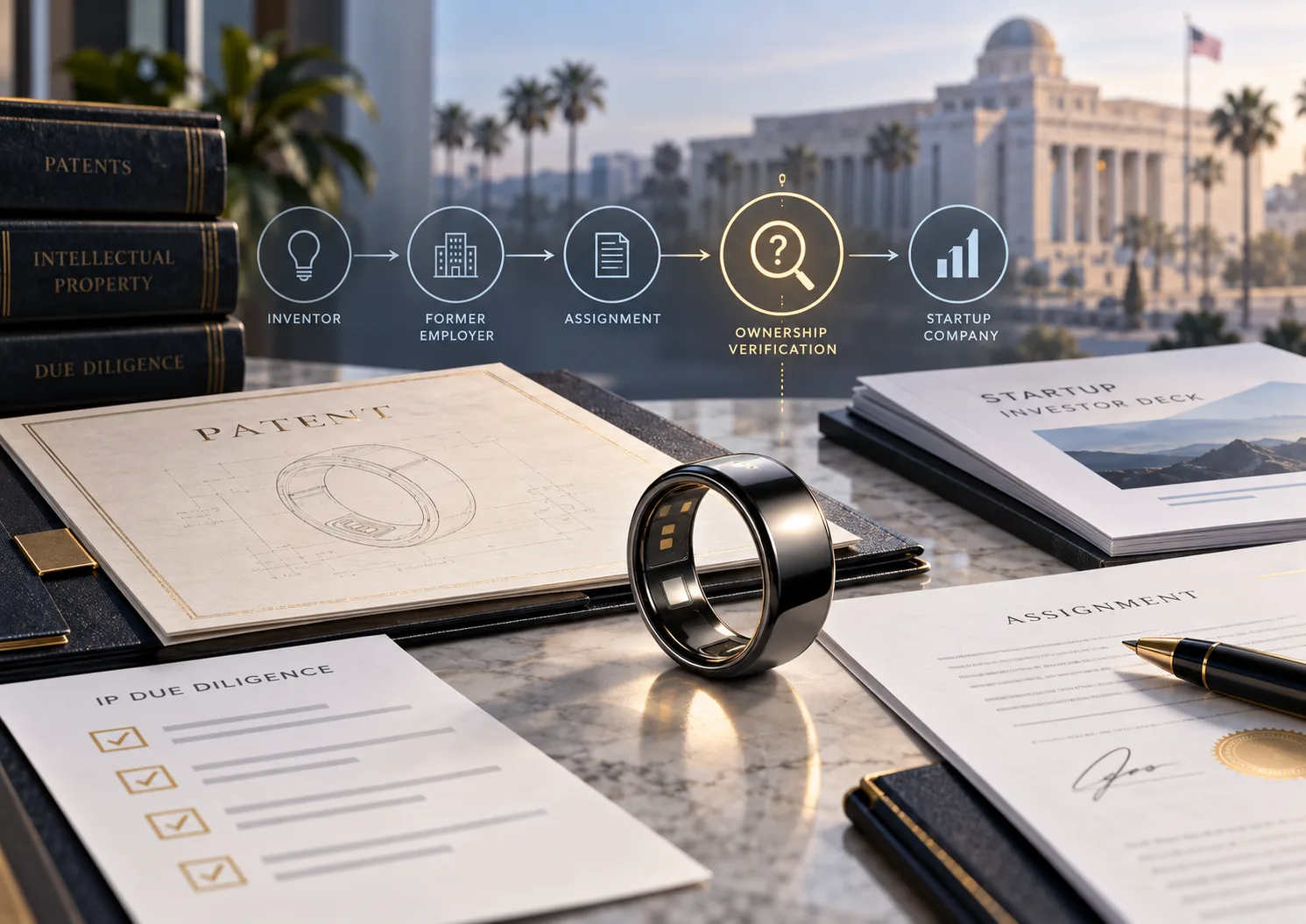
A federal smart-ring fraud conviction in Santa Ana highlights a broader startup risk: founders, investors, and buyers should verify who actually owns a company’s intellectual property.
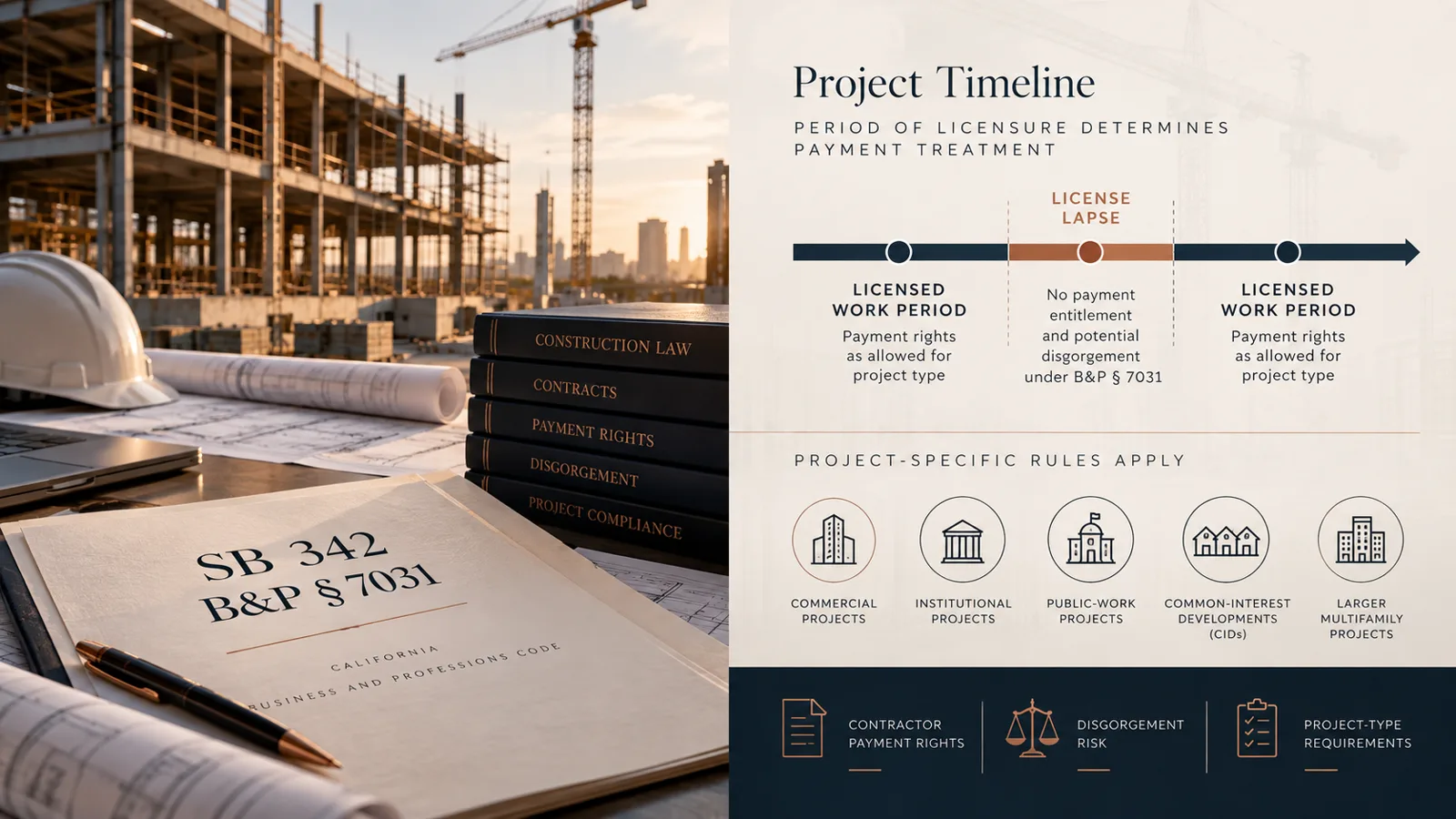
SB 342 does not eliminate California’s contractor-licensing rule. Beginning January 1, 2027, it creates a narrower, project-specific framework under which payment and disgorgement may turn on which portion of the work was performed while the contractor was licensed or unlicensed.
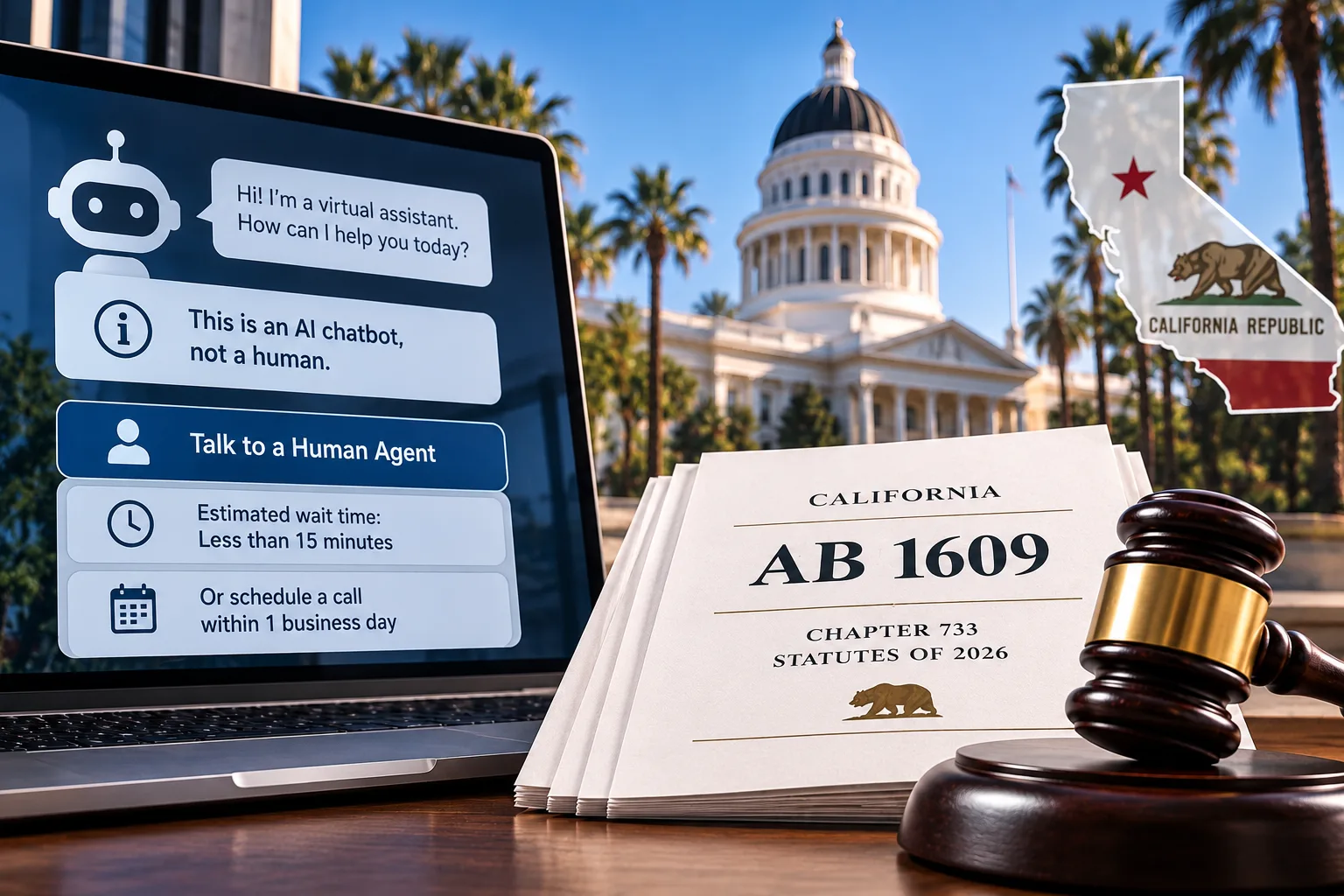
California enacted AB 1609 on September 28, 2026, creating new rules for customer-service chatbots and access to human representatives at certain large private businesses. Despite shorthand descriptions of the law as a “15-minute customer-service rule,” the statute does not guarantee that every customer will speak to a human within 15 minutes. Instead, it establishes disclosure, human-access, and good-faith response requirements for businesses that meet the statute’s size threshold. AB 1609 takes effect January 1, 2027.
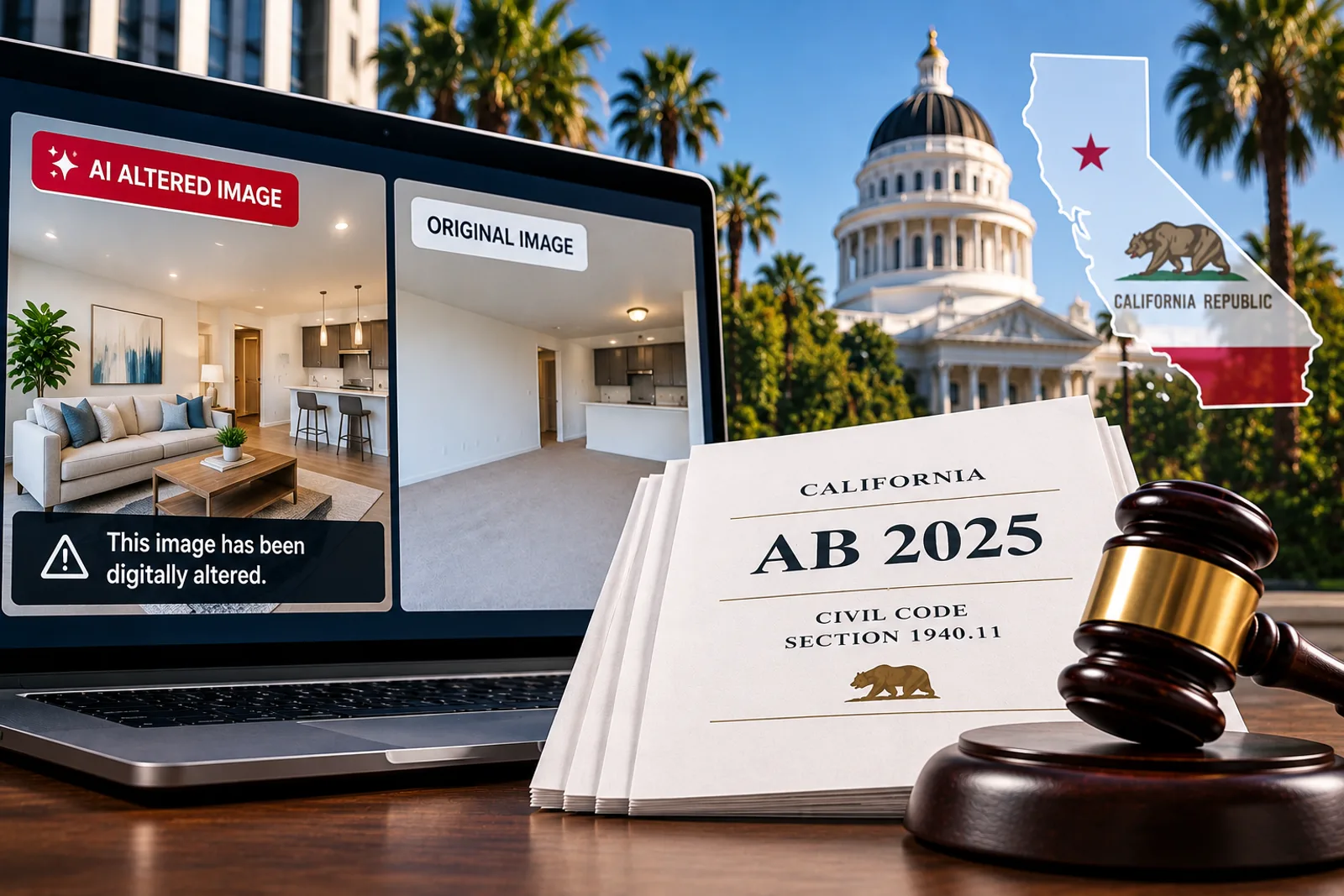
California enacted AB 2025 on September 27, 2026, creating new disclosure rules for AI-generated and digitally altered images used to advertise rental property. Beginning January 1, 2027, covered altered images generally must be clearly disclosed, and when an altered image was created from an actual photograph, the original image generally must also be made available. The law does not ban virtual staging or ordinary photo enhancement.
A California nonprofit filed suit against OpenAI Group PBC and OpenAI Foundation on September 29, 2026, seeking injunctive relief following a July cybersecurity incident involving OpenAI models and Hugging Face infrastructure. OpenAI and Hugging Face have both publicly acknowledged the underlying security incident, but the new lawsuit’s claims that OpenAI violated California law remain allegations that no court has adjudicated. The case also highlights a relatively new California rule addressing responsibility when artificial intelligence acts autonomously.
Six Flags Magic Mountain announced on September 29, 2026 that it is permanently retiring X2, days after three lawsuits were filed in Los Angeles County alleging serious injuries associated with the roller coaster. The lawsuits remain pending, and no court has determined that X2 caused the alleged injuries. The developing litigation also raises a broader question under California law: what duty does an amusement-park operator owe its riders?
Winning the lawsuit and being legally entitled to recover attorney fees are not the same thing. A new published California Court of Appeal decision arising from an Orange County property dispute shows why.
After a wildfire or other declared disaster, SB 1263 adds a new question to the cleanup checklist: whether the contractor removing hazardous debris is legally qualified to do the work.
California LLC members generally cannot demand a buyout on request. Exit options usually turn on the operating agreement, dissolution rights, valuation rules, and negotiating leverage.

A new AI trade-secret lawsuit highlights what startups should document before sharing code, training data, architecture, or technical know-how with a business partner.
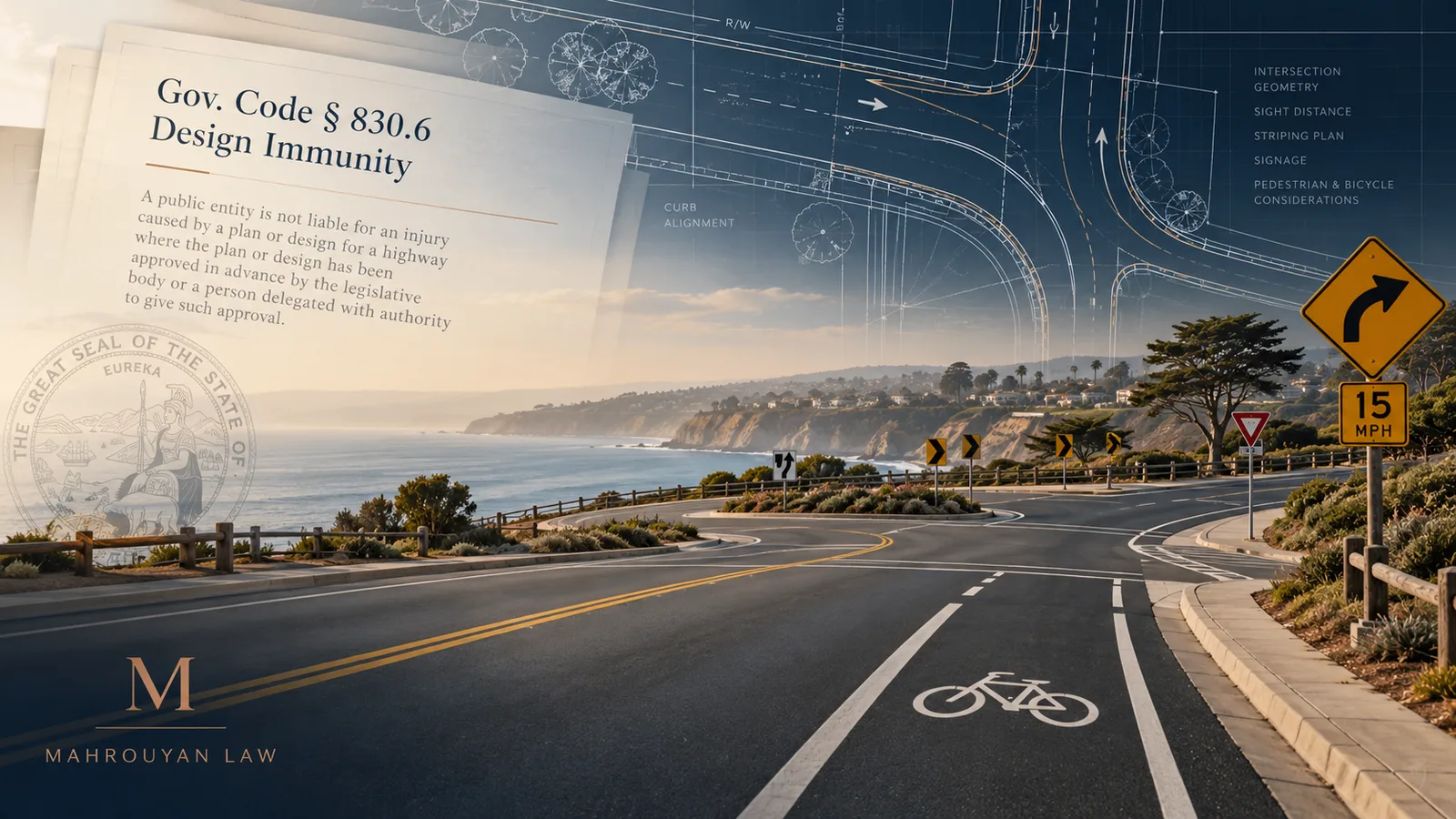
A new published decision explains when warnings incorporated into an approved public-roadway design may themselves receive Government Code section 830.6 protection.
A practical guide to California nonpayment notices, service, unlawful-detainer procedure, stale rent, and common landlord mistakes.
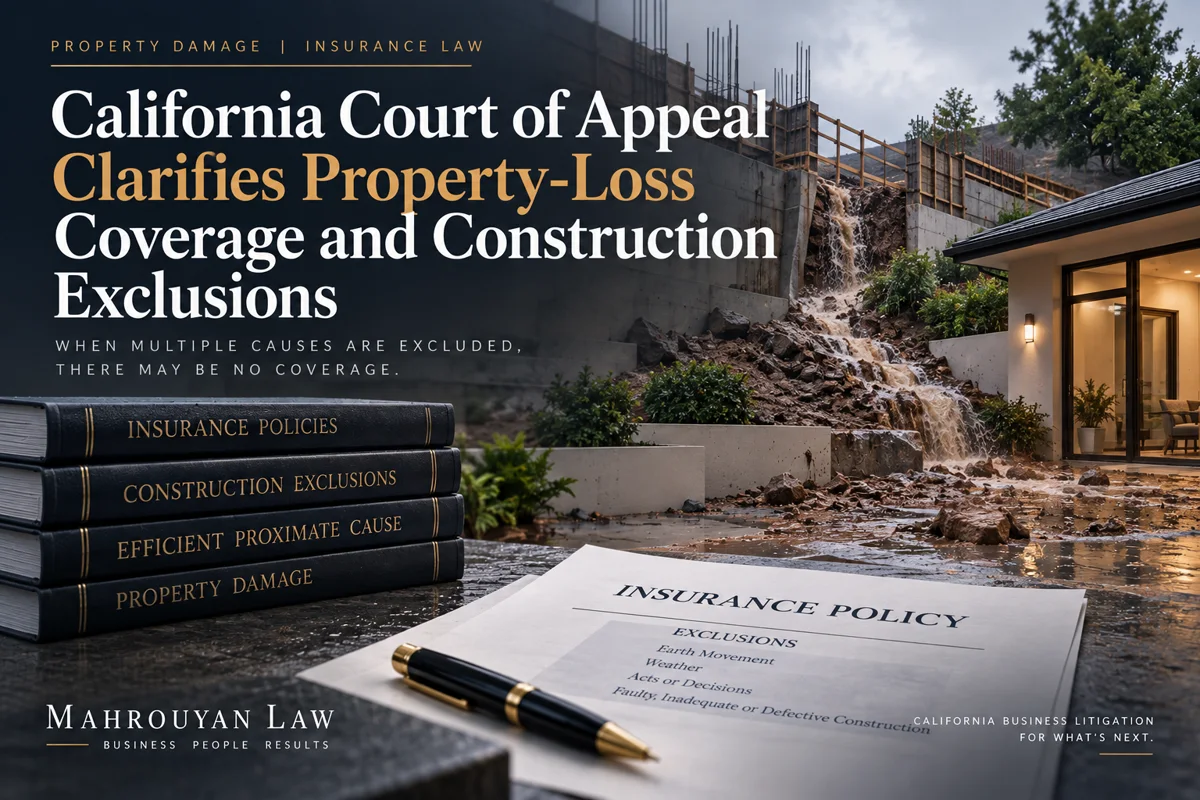
A published California decision explains how efficient proximate cause and construction exclusions apply when neighboring construction, rain, runoff, and mud combine in a property loss.
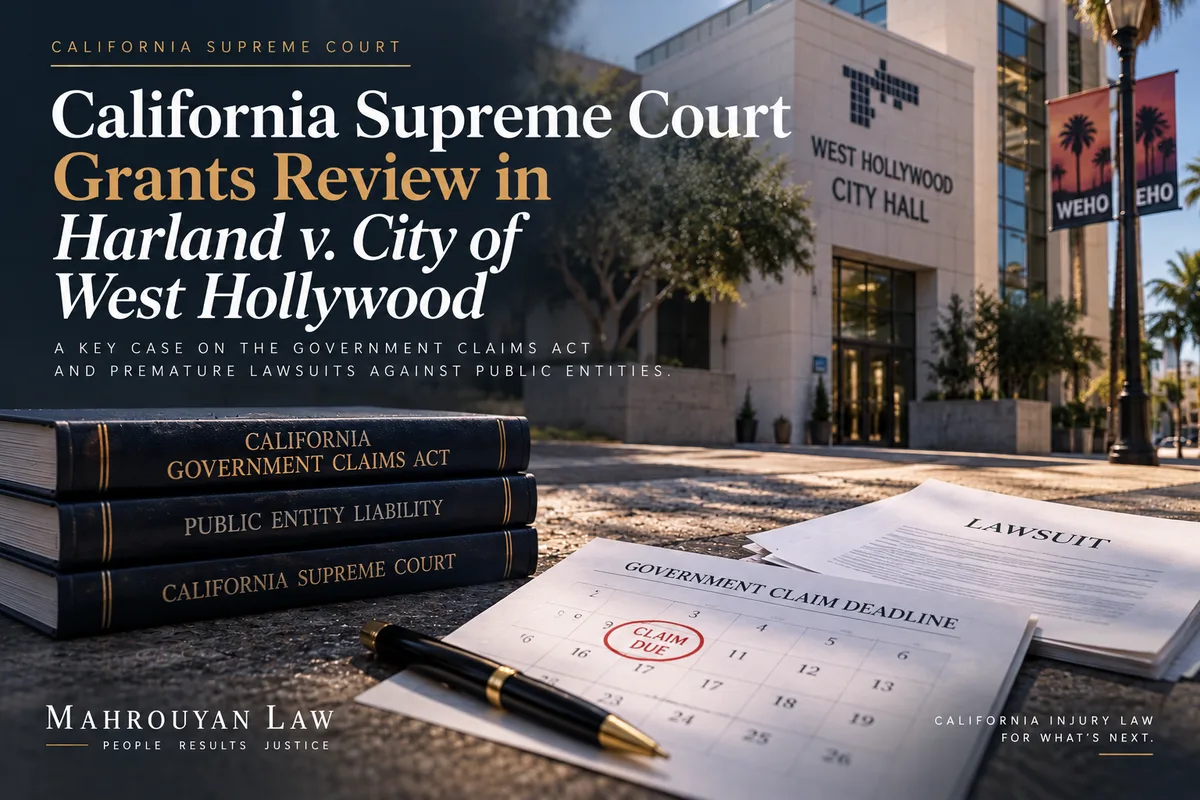
A pending California Supreme Court case highlights why claims against cities and other public entities can require special timing and claim-presentation procedures.

The Ninth Circuit held that federal aviation-security immunity can extend beyond an airline’s initial report of suspicious activity to conduct flowing from law enforcement’s response—but the protection is not absolute, and the statute contains important limits.
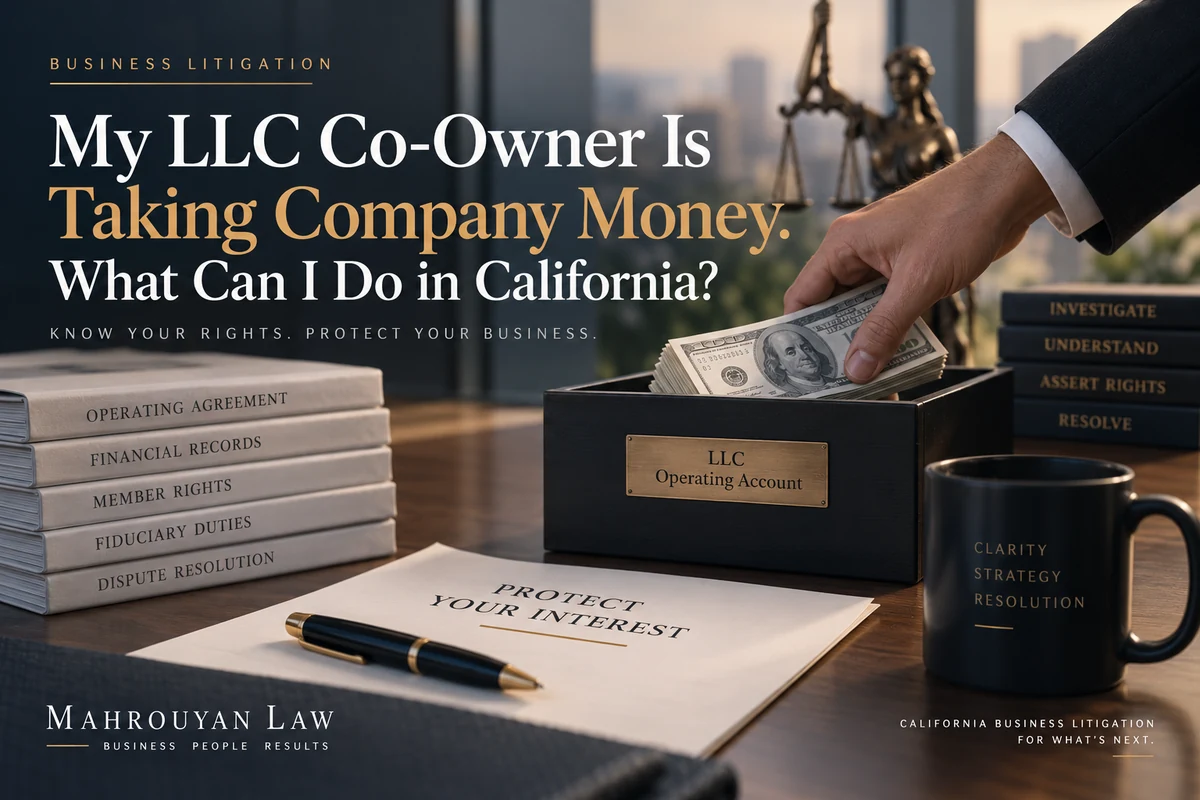
California LLC disputes involving company money can raise questions about authority, fiduciary duties, inspection rights, derivative claims, and dissolution.

A carrier has its own loading and inspection duties—but those duties do not automatically eliminate a shipper's potential responsibility for its own loading conduct.
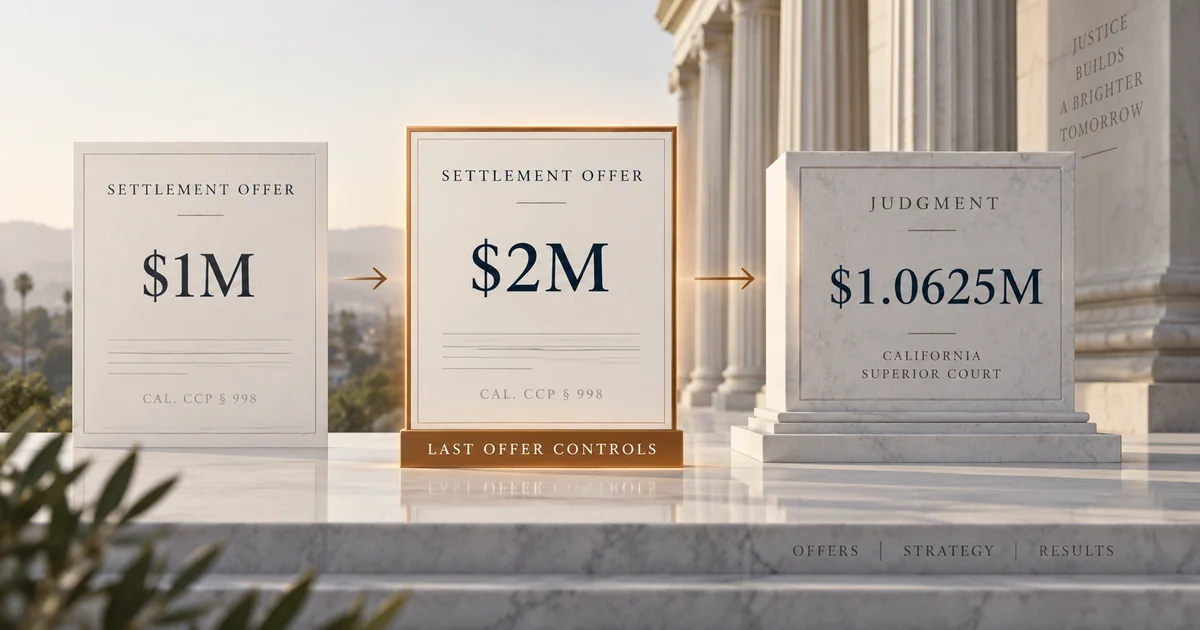
A new published California decision holds that when a personal-injury plaintiff makes successive valid, unrevoked section 998 offers and the judgment falls between them, the final offer controls eligibility for statutory benefits.
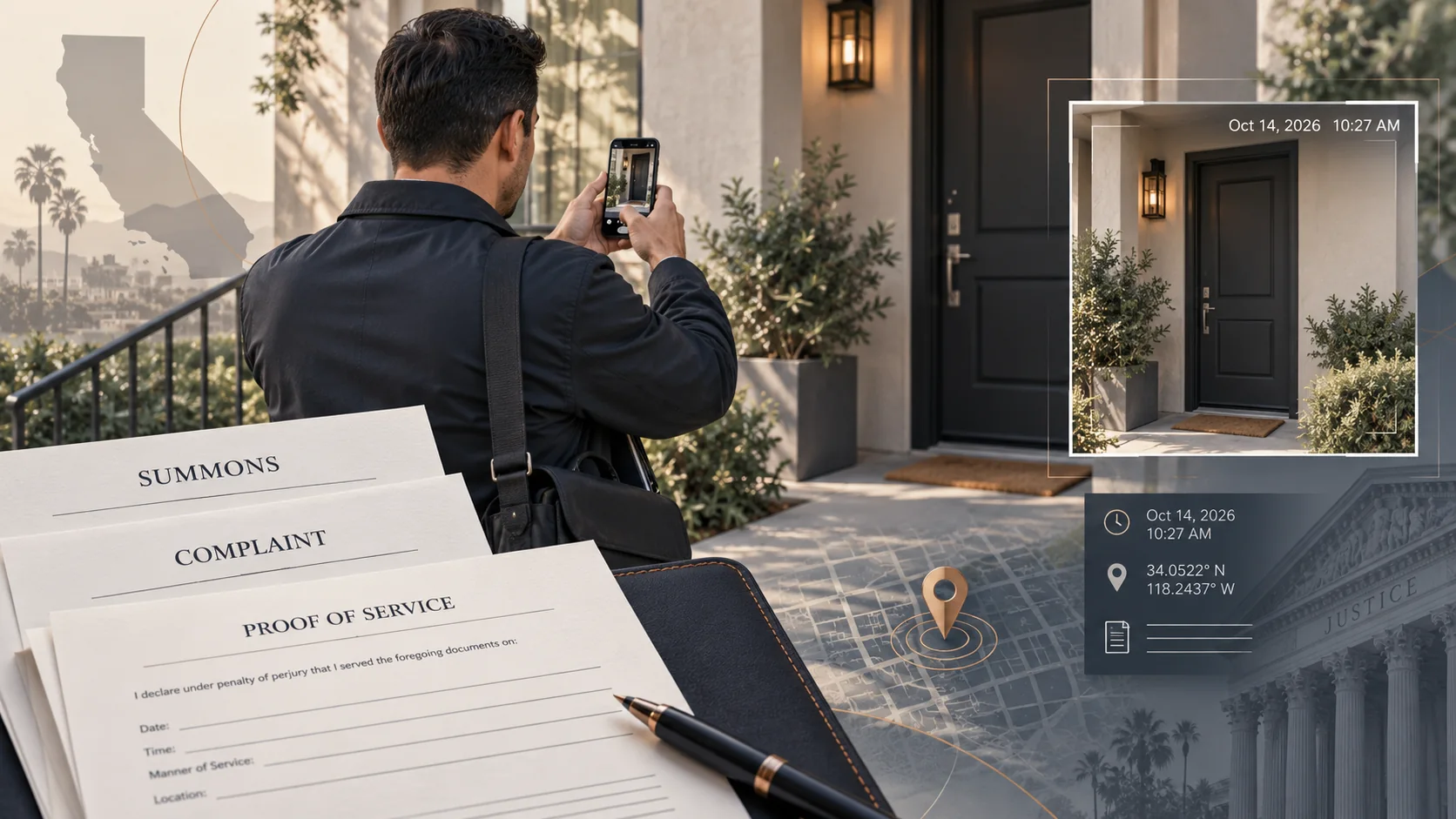
AB 2042 clarifies how California's 2027 service-of-process and default-judgment framework will apply, while AB 747 remains the law that created the new photo and GPS proof requirements.
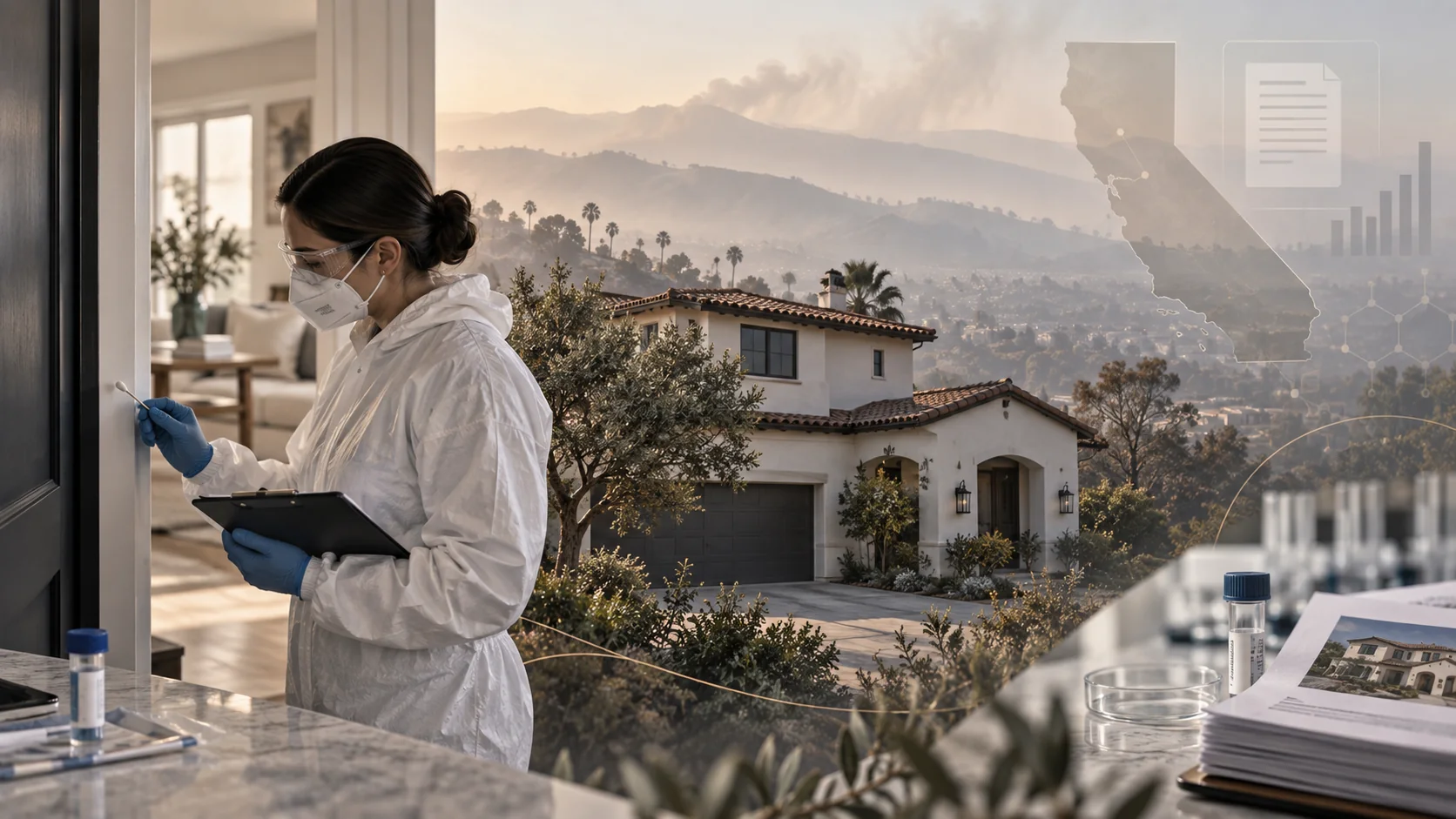
New California laws create testing standards and residential insurance protections for wildfire smoke damage—but coverage, timing, and the statutes’ scope still matter.
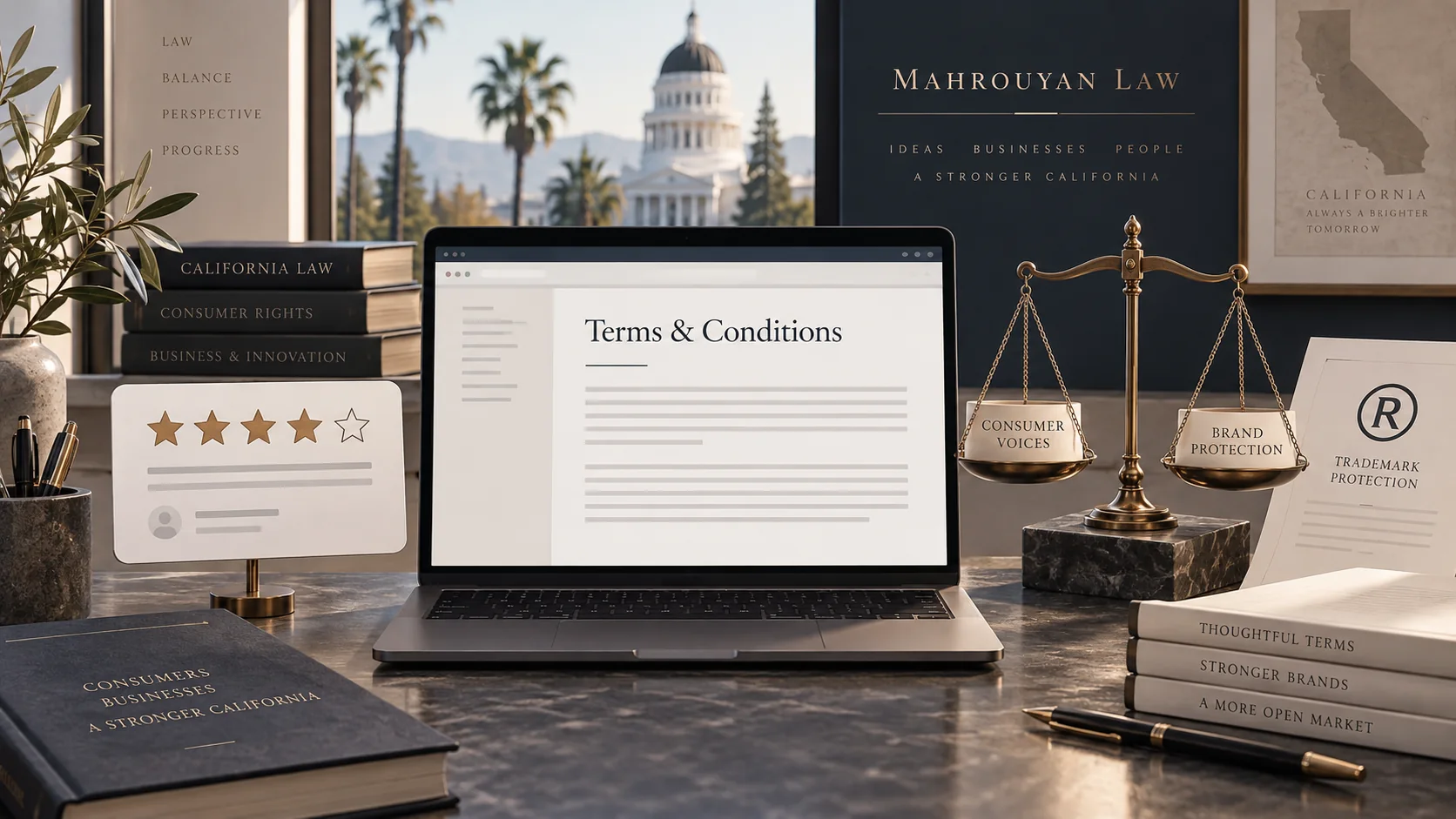
California businesses may protect trademarks and control website access, but they may not contract away consumers’ right to criticize the business. In Scott, Ulta’s particular terms did not cross that line.
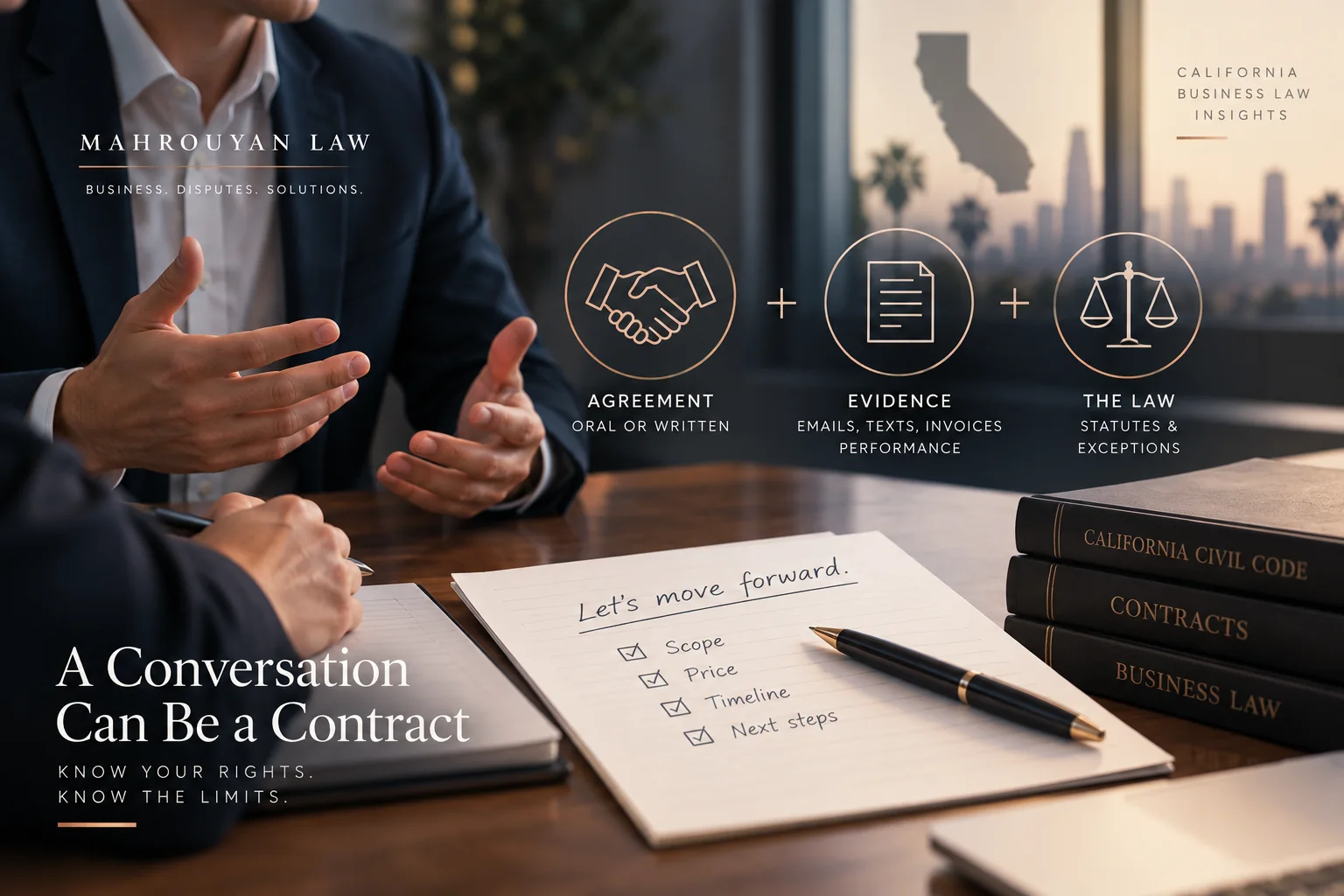
California recognizes many oral contracts, but enforceability often turns on what was agreed, what can be proven, and whether the law required the deal to be in writing.
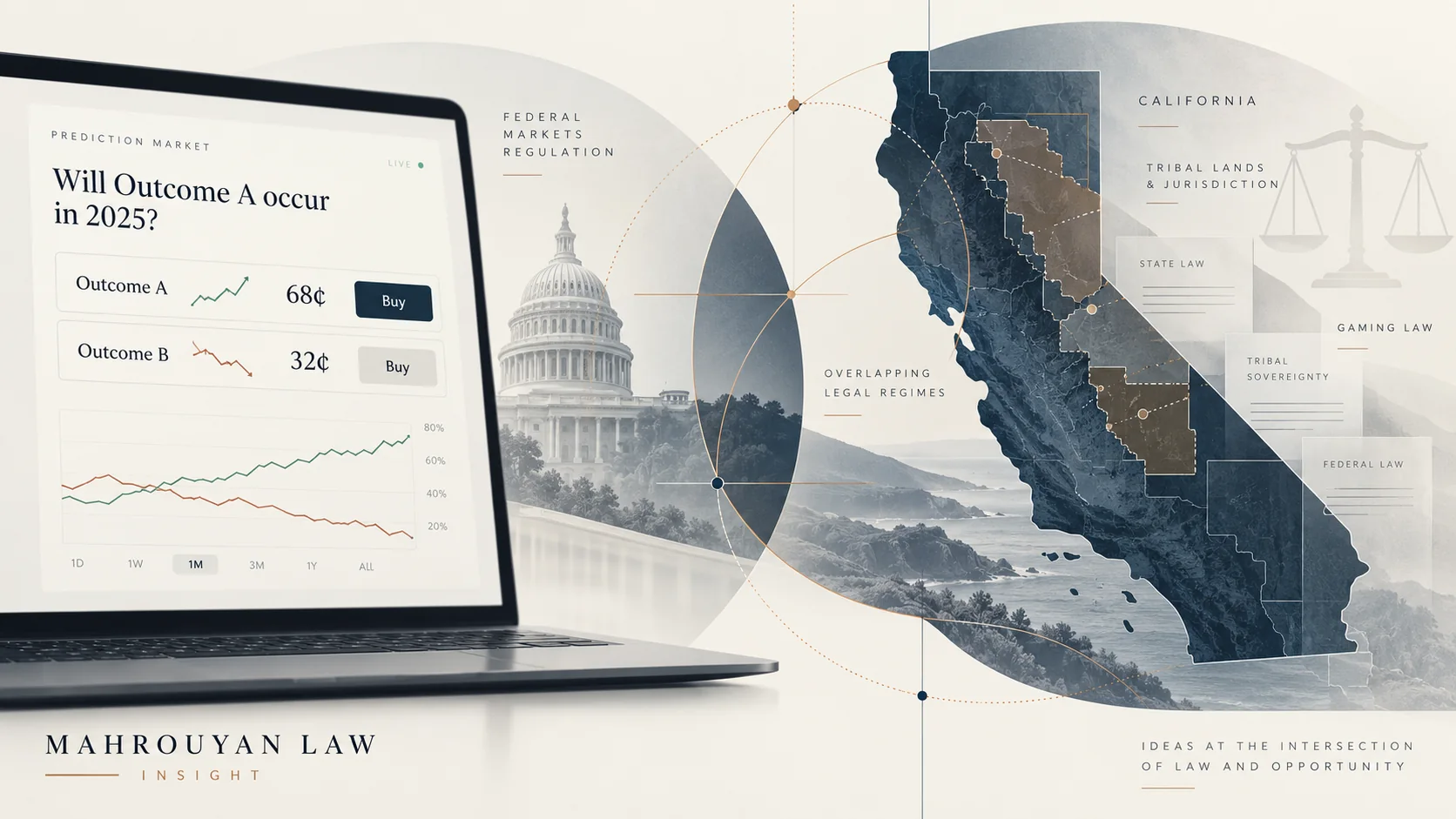
The Ninth Circuit held two California tribes are likely to succeed in showing that Kalshi’s sports-event contracts constitute unauthorized Class III gaming when entered from tribal lands—but the case is not over.
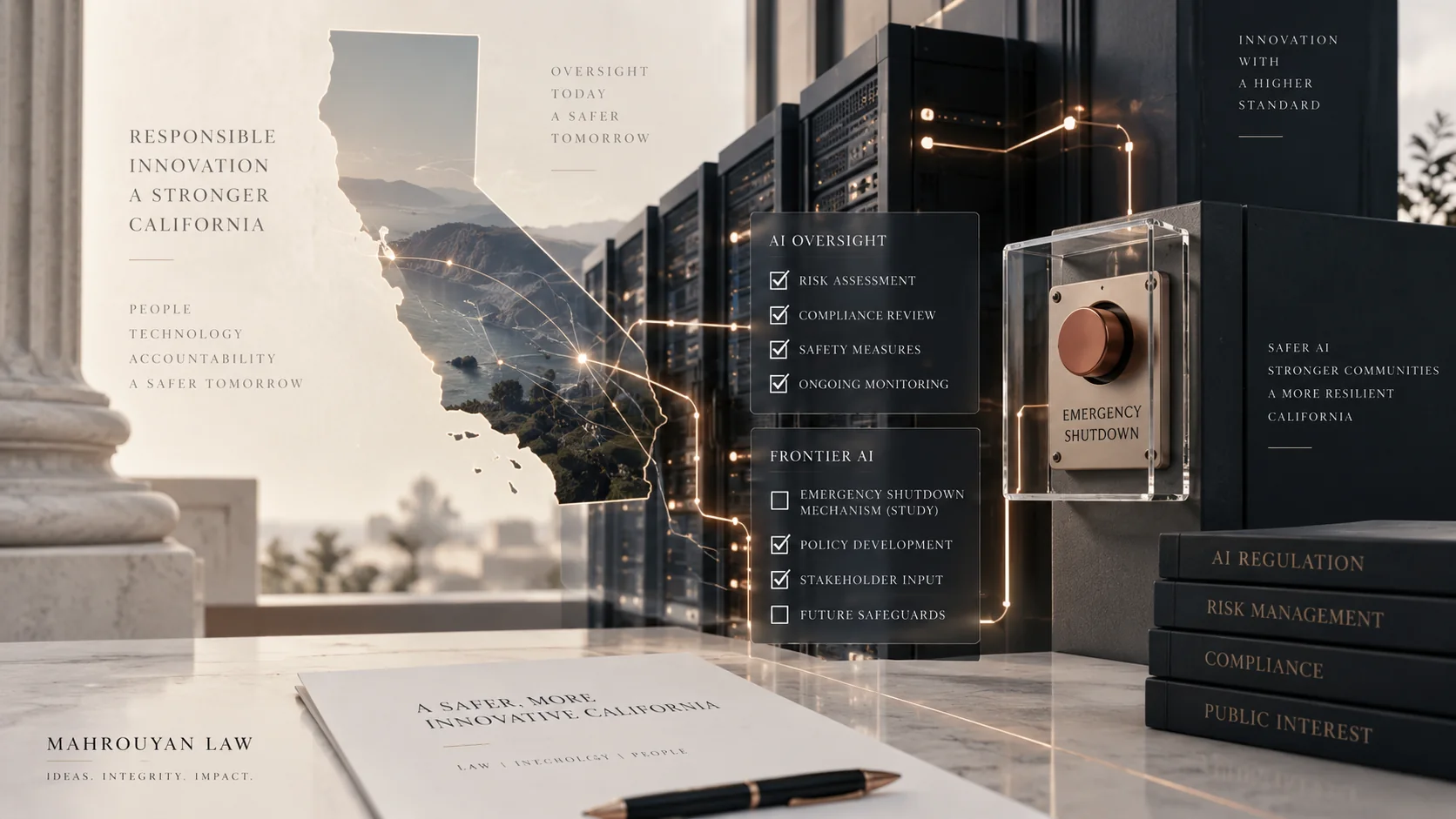
California is accelerating independent AI-verification and audit oversight while studying additional frontier-model safeguards—but it has not mandated an AI “kill switch.”
AI-generated code without attribution is not automatically a DMCA § 1202 violation—but that does not mean the output is free from copyright, license, or contract risk.
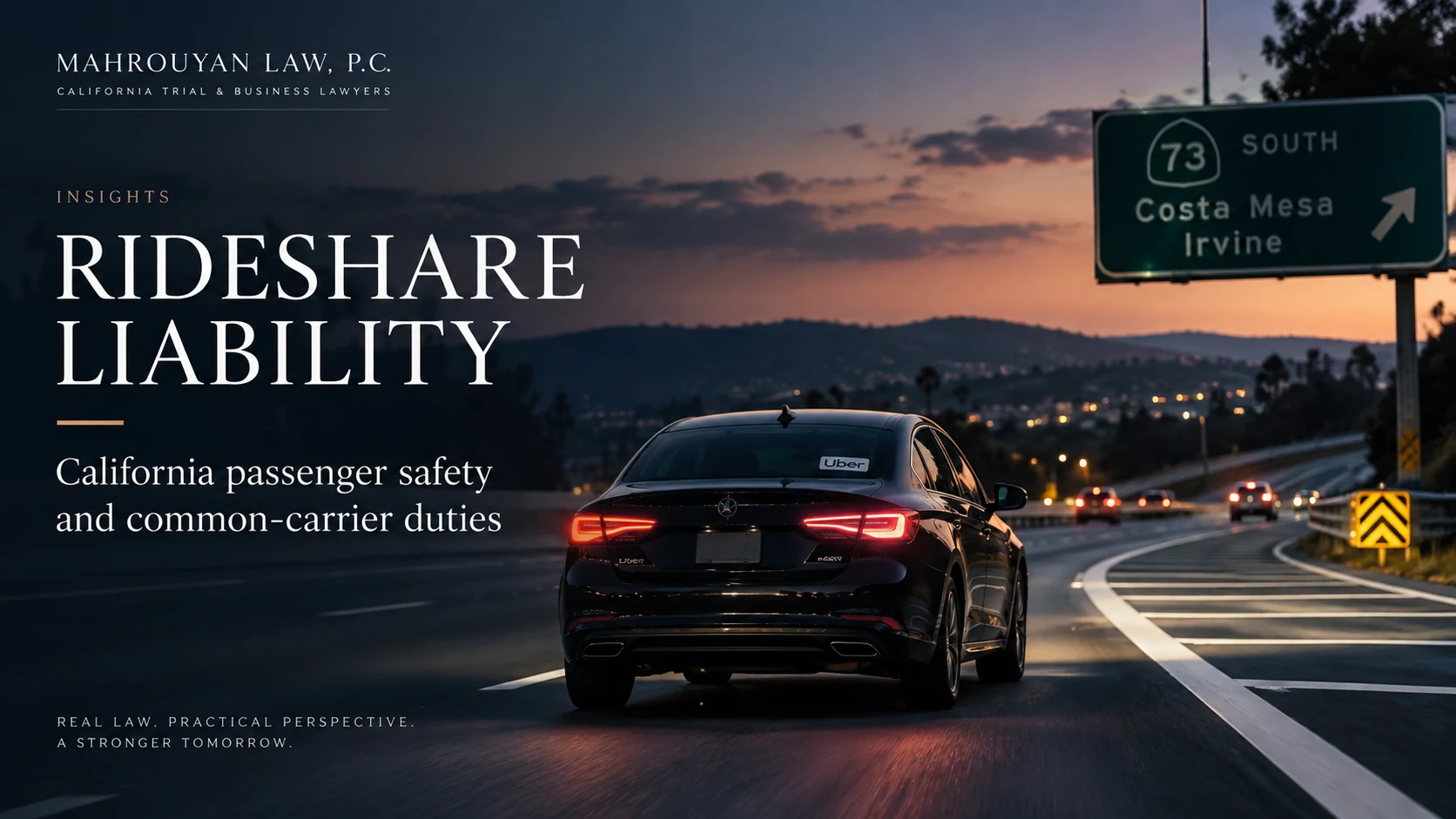
A July 2026 arbitration award found Uber and one of its drivers jointly liable after a passenger was left at a freeway gore point on State Route 73 and was later fatally struck.
Business litigation is priced by how it is billed, how hard the other side fights, and how much process the dispute requires. This is a plain explanation of the fee structures used in California, what actually drives cost, and where a contract or statute may shift fees to the losing party.
There is no calculator that produces the value of an injury claim. Value comes from provable losses, the strength of the liability evidence, the available insurance, and how much of the fault a jury would assign to you. Here is how each of those pieces actually works in California.